Zingiber Officinale Root Oil
- Soothing
- May Cause Irritation
- May Worsen Redness
- May Irritate Lips
- Fragrance
- Oil
- Essential Oil
Not rated A basic ingredient widely used in most products, such as purified water, or one that is not suitable for star-rating-based preference analysis.
TOP 10 Zingiber Officinale Root Oil Products
-
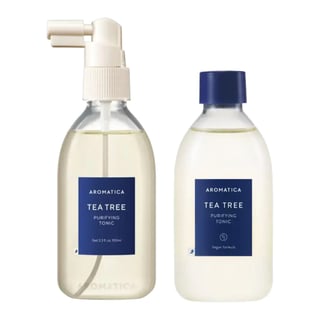 #1AromaticaTea Tree Purifying Tonic Double Set
 -
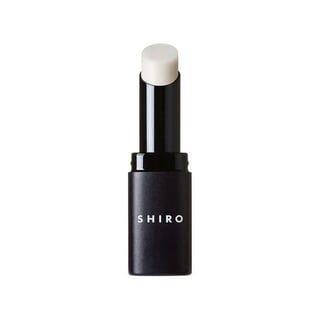 #2SHIROGinger Lip Primer
 -
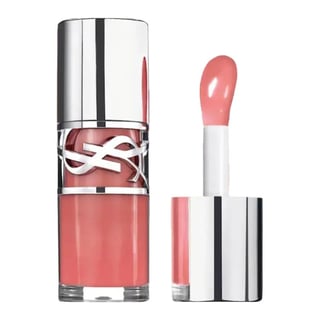 #3Yves Saint LaurentLoveshine Plumping Lip Oil Gloss
 -
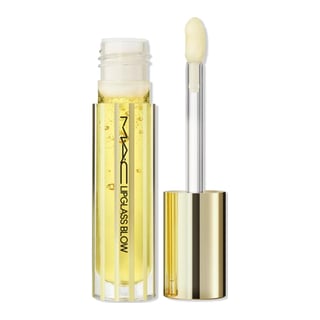 #4Mac CosmeticsLipglass Blow Plumping Lip Oil
 -
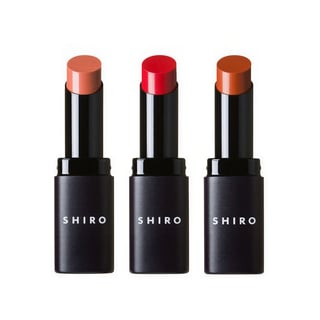 #5SHIROGinger Lipstick
 -
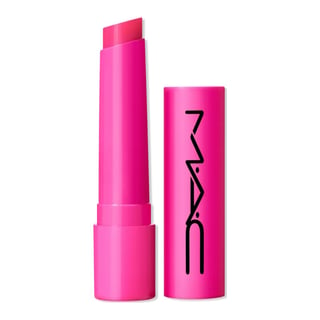 #6Mac CosmeticsSquirt Plumping Gloss Stick
 -
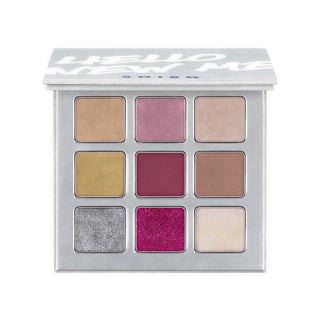 #7SHIROGinger Eyeshadow Palette (9 Shades)
 -
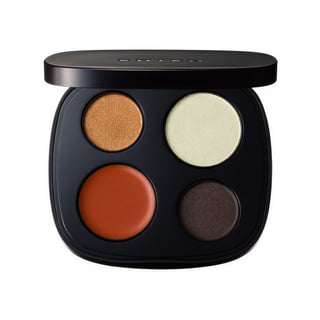 #8SHIROGinger Eyeshadow Palette With Box
 -
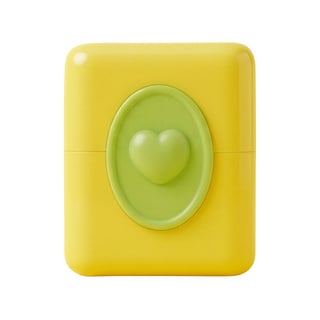 #9Mommy CareLemon No Sebum Sun Stick [SPF50+/PA++++]
 -
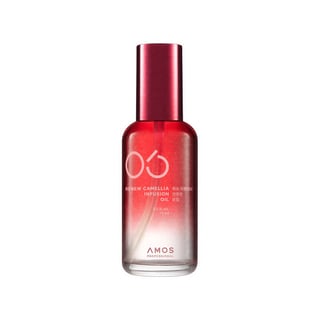 #10amos ProfessionalRenew Camellia Infusion Hair Oil
About Zingiber Officinale Root Oil
Zingiber Officinale Root Oil is an oil obtained by drying the rhizomes of ginger.[1] Because it is mainly composed of fatty components obtained from ginger roots, it mixes more readily with oils than with water. It is suitable for adding slip and a supple feel to the skin or hair while reducing the feeling of moisture evaporating quickly. In cosmetics, it is used to keep the ingredient’s characteristic odor or taste from being overly noticeable, to add scent to products or adjust the ingredient’s characteristic odor, and to leave the skin’s surface feeling soft and smooth.[2] It is also used to leave the skin or hair feeling fresh and well-groomed.[2]
Zingiber Officinale Root Oil Details
- Ingredient function
- Masking, Perfuming, Skin Conditioning, Tonic
- Main product categories
- Lip Plumper, Moisturizing/Nourishing Shampoo, Cleansing Foam
- INCI name
- ZINGIBER OFFICINALE ROOT OIL
- CosIng ID
- 60317
Zingiber Officinale Root Oil References
Last updated
This ingredient information is based on publicly available scientific literature, cosmetic ingredient databases, and regulatory sources from various countries. Usage restrictions, permitted concentrations, and labeling requirements may vary by country, region, and product type.
Ingredient preference is a reference metric based on user review data. It does not indicate the efficacy or safety of the ingredient itself.