Zea Mays Oil
- May Cause Irritation
- May Worsen Redness
- May Cause Acne
- May Worsen Oily Skin
- Hair Conditioning
- Surfactant
- Oil
- Essential Oil
Not rated A basic ingredient widely used in most products, such as purified water, or one that is not suitable for star-rating-based preference analysis.
TOP 10 Zea Mays Oil Products
-
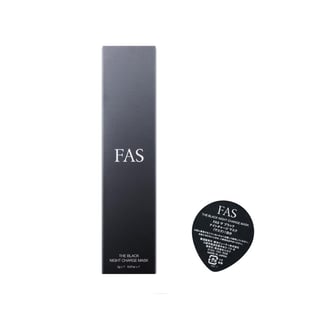 #1FASThe Black Night Charge Mask
 -
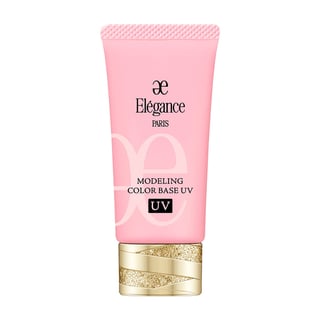 #2EleganceModeling Color Base UV
 -
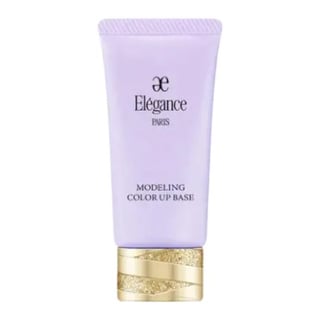 #3AlbionElegance Modeling Color Up Base
 -
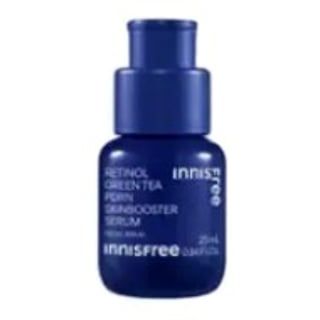 #4innisfreeRetinol Green Tea PDRN Firming Serum
 -
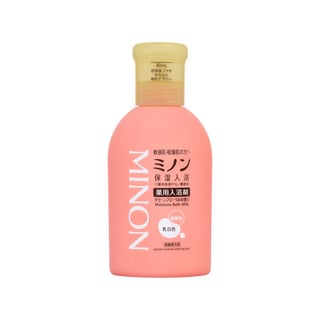 #5MinonMedicated Moisturizing Bath Additive
 -
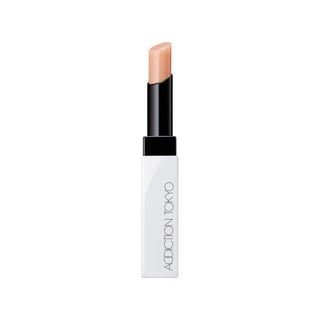 #6Addiction TokyoThe Lip Balm Glow Tint
 -
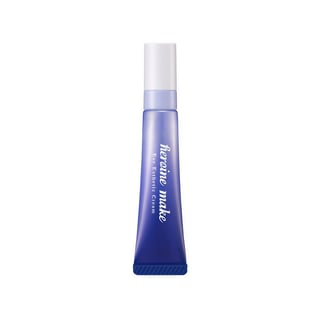 #7Heroine MakeEye Esthe Cream
 -
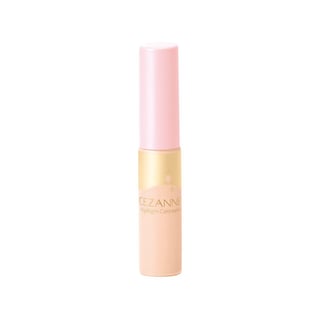 #8CezanneHighlight Concealer
 -
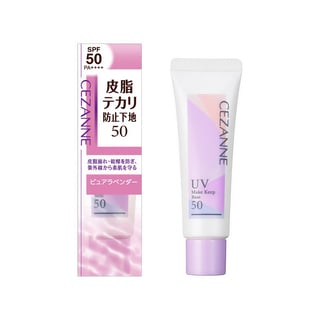 #9CezanneSebum Control UV Makeup Base 50
 -
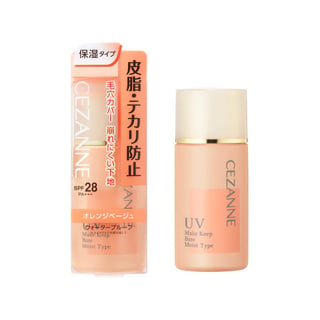 #10CezanneSebum Shine Control Moisturizing Primer
About Zea Mays Oil
Corn oil is a refined nonvolatile oil obtained by wet-milling corn.[1] Because it is primarily made up of fats obtained from corn, it mixes better with oils than with water and is suitable for adding slip and a supple feel to the skin or hair while reducing the feeling of moisture evaporating quickly. In cosmetics, it is used to create emulsified formulations in which water and oil are evenly mixed, reduce hair tangling and roughness for a smoother finish, and prevent the ingredient's characteristic odor or taste from becoming overly noticeable.[2] It is also used to add fragrance to products or adjust the characteristic odor of ingredients, and to leave the skin's surface feeling soft and smooth.[2]
Zea Mays Oil Details
- Ingredient function
- Emulsifying, Hair Conditioning, Masking, Perfuming, Skin Conditioning
- Main product categories
- Moisturizing Cream, Eye Cream, Anti-Aging Essence
- INCI name
- ZEA MAYS OIL
- CosIng ID
- 80735
Zea Mays Oil References
Last updated
This ingredient information is based on publicly available scientific literature, cosmetic ingredient databases, and regulatory sources from various countries. Usage restrictions, permitted concentrations, and labeling requirements may vary by country, region, and product type.
Ingredient preference is a reference metric based on user review data. It does not indicate the efficacy or safety of the ingredient itself.