Sodium Hydroxypropylsulfonate Laurylglucoside Crosspolymer
- Surfactant
Low data There is not yet enough product and review data to determine preference.
TOP 10 Sodium Hydroxypropylsulfonate Laurylglucoside Crosspolymer Products
-
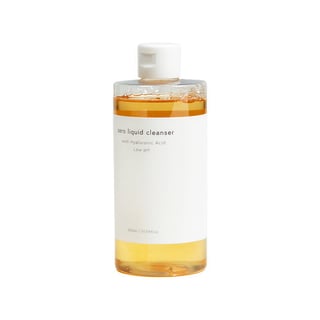 #1ELRAVIEZero Liquid Cleanser
 -
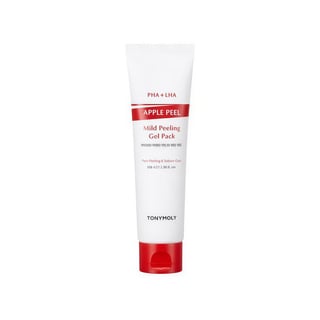 #2TONYMOLYPHA LHA Apple Peel Mild Peeling Gel Pack
 -
 #3AesopCitrus Melange Body Cleanser
 -
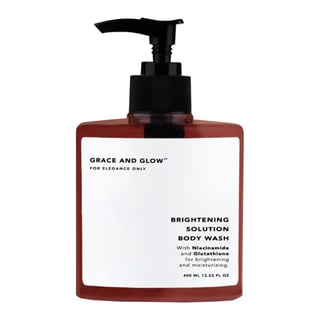 #4Grace and GlowBrightening Solution Body Wash
 -
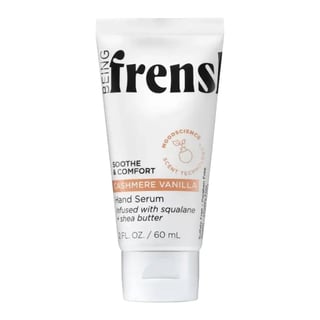 #5Being FrensheHand Serum
 -
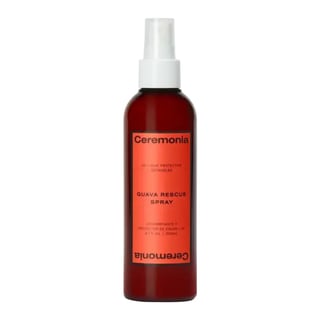 #6CeremoniaGuava Rescue Hair Heat Protectant Spray
 -
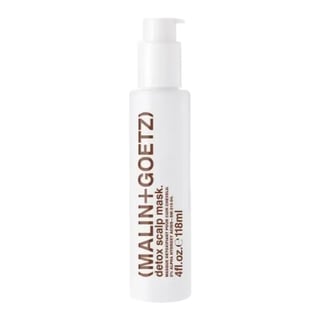 #7(Malin+Goetz)Detox Scalp Mask
 -
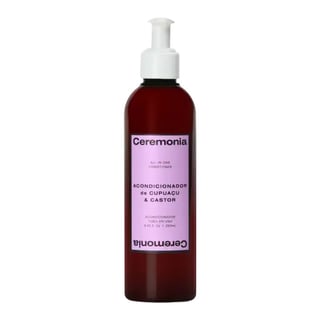 #8CeremoniaCupuaçu & Castor Deep Hydrating Conditioner
 -
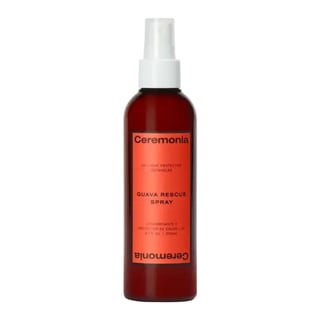 #9CeremoniaGuava Hydrating Leave-In Conditioner
 -
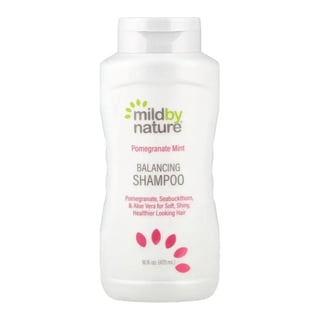 #10Mild By NaturePomegranate Mint Balancing Shampoo
About Sodium Hydroxypropylsulfonate Laurylglucoside Crosspolymer
Sodium Hydroxypropylsulfonate Laurylglucoside Crosspolymer is a crosslinked polymer obtained by sulfonating a polymer made by reacting lauryl glucoside with 1,3-dichloro-2-propanol using 3-chloro-2-hydroxypropylsulfonate.[1] In cosmetics, it is used to help sebum and impurities rinse away with water, create emulsions in which water and oil are evenly mixed, and increase the amount of foam and help it last longer.[2] It is also used to help ingredients that do not dissolve well in water disperse more evenly in the aqueous phase and to lower surface tension so raw materials can wet, mix, and disperse evenly.[2]
Sodium Hydroxypropylsulfonate Laurylglucoside Crosspolymer Details
- Ingredient function
- Cleansing, Emulsifying, Foam Boosting, Hydrotrope, Surfactant
- Main product categories
- Cleansing Foam, Cleansing Gel, Moisturizing/Nourishing Shampoo
- INCI name
- SODIUM HYDROXYPROPYLSULFONATE LAURYLGLUCOSIDE CROSSPOLYMER
- CosIng ID
- 82227
Sodium Hydroxypropylsulfonate Laurylglucoside Crosspolymer References
Last updated
This ingredient information is based on publicly available scientific literature, cosmetic ingredient databases, and regulatory sources from various countries. Usage restrictions, permitted concentrations, and labeling requirements may vary by country, region, and product type.
Ingredient preference is a reference metric based on user review data. It does not indicate the efficacy or safety of the ingredient itself.