Pinus Sylvestris Leaf Oil
- May Worsen Redness
- May Cause Irritation
- Fragrance
- Oil
- Essential Oil
Low data There is not yet enough product and review data to determine preference.
TOP 10 Pinus Sylvestris Leaf Oil Products
-
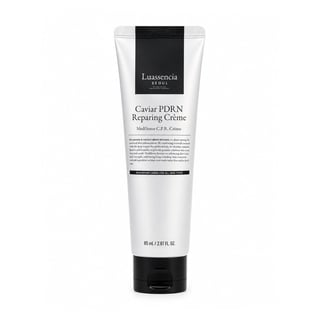 #1LuassenciaMedisense Caviar PDRN Cream
 -
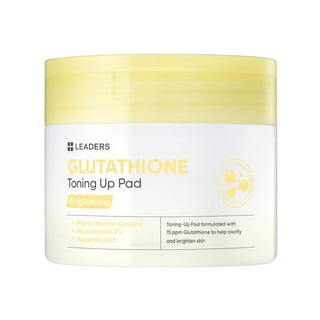 #2LEADERSGlutathione Toning Up Pad
 -
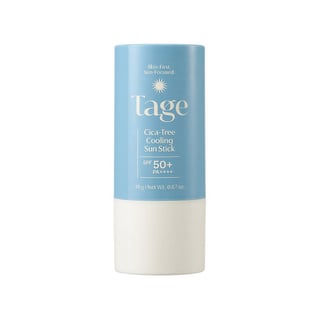 #3TageCicatree Cooling Sun Stick [SPF50+/PA++++]
 -
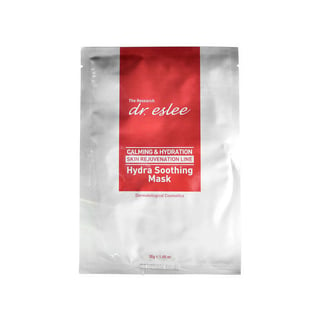 #4Dr.EsleeHydra Soothing Mask
 -
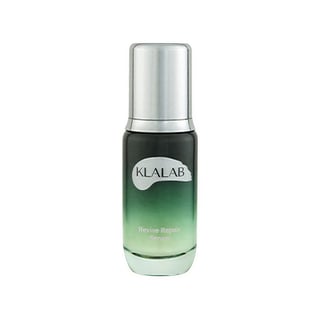 #5KlalabRevive Repair Serum
 -
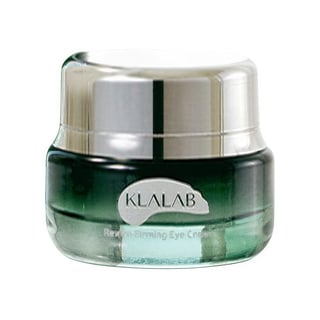 #6KlalabRevive Firming Eye Cream
 -
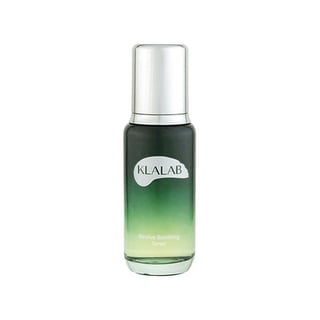 #7KlalabRevive Boosting Toner
 -
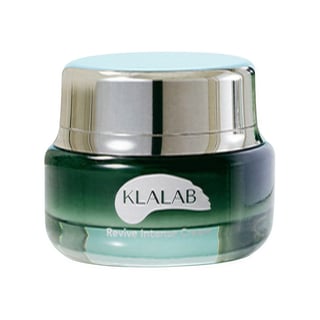 #8KlalabRevive Intense Cream
 -
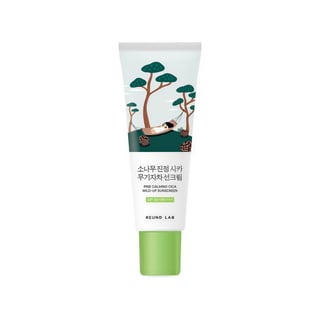 #9Round LabPine Calming Cica Mineral Sunscreen [SPF50+/PA++++]
 -
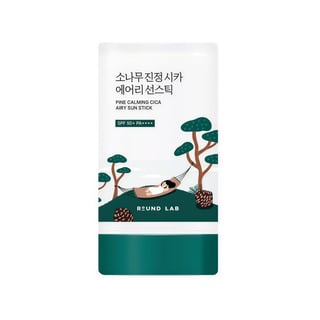 #10Round LabPine Calming Cica Airy Sun Stick [SPF50+/PA++++]
About Pinus Sylvestris Leaf Oil
Pinus Sylvestris Leaf Oil is a volatile oil obtained from the needle-like leaves of Scots pine.[1] Volatile components obtained from its leaves contribute to the initial impression of the fragrance and the lingering scent after application, and tend to evaporate more readily than ordinary plant oils. In cosmetics, it is used to prevent the characteristic odor or taste of raw materials from becoming too prominent.[4] In Korea, oils and extracts from leaves and twigs with a peroxide value exceeding 10 mmol/L cannot be used in cosmetics.[2] In Europe, only raw materials with a peroxide value below 10 mmol/L may be used.[3]
Pinus Sylvestris Leaf Oil Details
- Ingredient function
- Masking
- Main product categories
- Cleansing Foam, Sunscreen, Moisturizing Cream
- INCI name
- PINUS SYLVESTRIS LEAF OIL
- CosIng ID
- 59498
Pinus Sylvestris Leaf Oil References
- 대한화장품협회 화장품성분사전 · 성분코드 185
- 법제처 — 화장품 안전기준 등에 관한 규정 (식약처 고시 제2026-19호) · 과산화물가가 10mmol/L을 초과하는 Pinus sylvestris잎과 잔가지의 오일및 추출물
- European Union · Annex III entry 110
- European Commission — CosIng · substanceId 59498
Last updated
This ingredient information is based on publicly available scientific literature, cosmetic ingredient databases, and regulatory sources from various countries. Usage restrictions, permitted concentrations, and labeling requirements may vary by country, region, and product type.
Ingredient preference is a reference metric based on user review data. It does not indicate the efficacy or safety of the ingredient itself.