Lauramine Oxide
- Hair Conditioning
- Surfactant
- Antistatic
Low data There is not yet enough product and review data to determine preference.
TOP 10 Lauramine Oxide Products
-
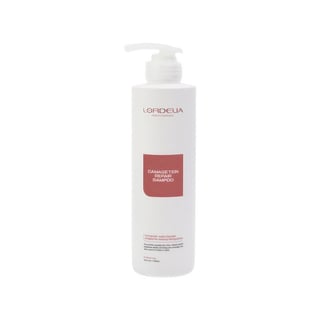 #1RodeliaDamage Tain Repair Shampoo
 -
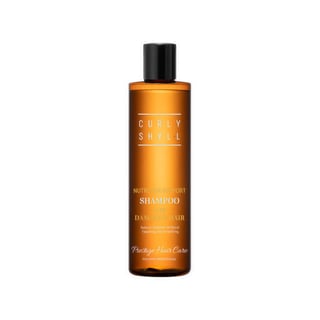 #2CurlyshyllNutrition Support Shampoo
 -
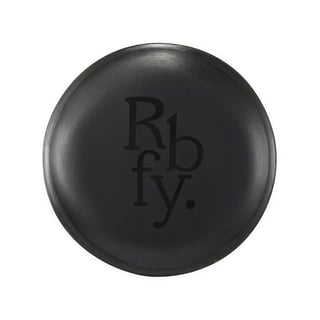 #3RbfyReal Medi Soap
 -
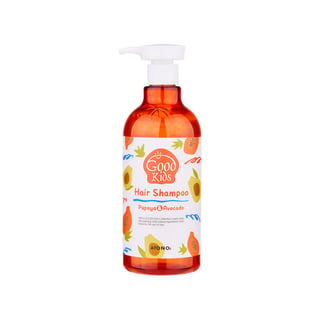 #4ATONO2Good Kids Hair Shampoo
 -
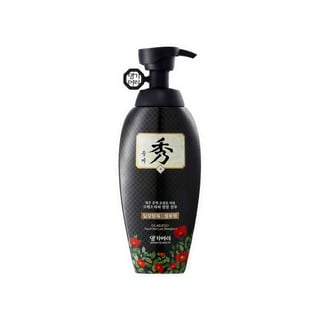 #5Daeng Gi Meo RiDlae Soo Shampoo
 -
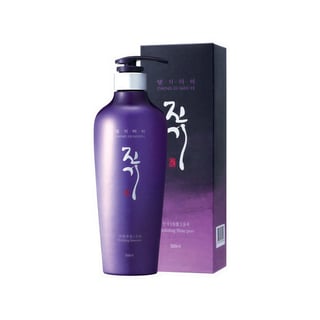 #6Daeng Gi Meo RiJingi Shampoo
 -
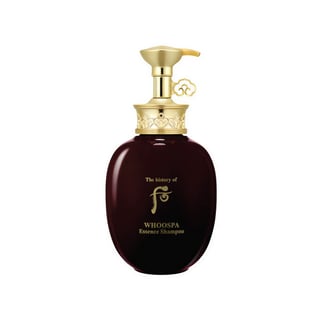 #7The WhooWhoo Spa Essence Shampoo
 -
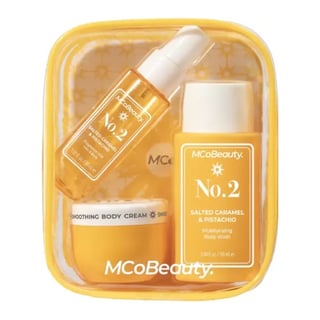 #8MCoBeauty.Endless Summer Kit
 -
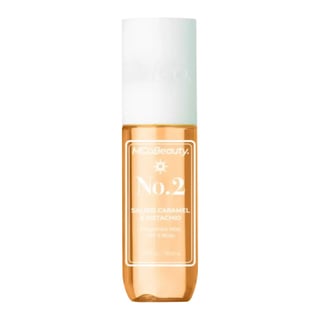 #9MCoBeauty.Fragrance Mist
 -
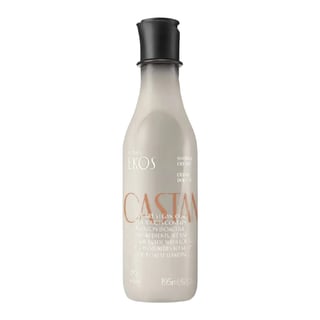 #10NaturaGel De Duche Cremoso Castanha - Ekos
About Lauramine Oxide
Lauramine Oxide is a tertiary amine oxide.[1] In cosmetics, it is used to reduce static electricity that causes hair strands to lift or cling together, help sebum and impurities wash away with water, and increase the amount of foam while helping it remain stable. It is also used to reduce hair tangling and rough feel for smoother conditioning, help water-insoluble ingredients disperse more evenly in the water phase, and add fragrance to a product or adjust the characteristic odor of raw materials.[3] It is used to lower surface tension so ingredients wet, mix, and spread evenly, and to adjust the viscosity and flow of a formula.[3] It is described as crystalline, so evenly dispersing the particles in the formula to prevent clumping or settling is important.[2] [3]
Lauramine Oxide Details
- Ingredient function
- Antistatic, Cleansing, Foam Boosting, Hair Conditioning, Hydrotrope, Perfuming, Surfactant, Viscosity Controlling
- Main product categories
- Cleansing Foam, Moisturizing/Nourishing Shampoo, Hand Wash
- INCI name
- LAURAMINE OXIDE
- CosIng ID
- 78481
Lauramine Oxide References
- 대한화장품협회 화장품성분사전 · 성분코드 5328
- CAMEO Chemicals · CID 15433
- European Commission — CosIng · substanceId 78481
Last updated
This ingredient information is based on publicly available scientific literature, cosmetic ingredient databases, and regulatory sources from various countries. Usage restrictions, permitted concentrations, and labeling requirements may vary by country, region, and product type.
Ingredient preference is a reference metric based on user review data. It does not indicate the efficacy or safety of the ingredient itself.