Kaolin
- Acne Care
- Good for Oily Skin
- Pore Refining
- Colorant
Average Products containing this ingredient are rated close to the overall average, with no strong preference trend in either direction.
TOP 10 Kaolin Products
-
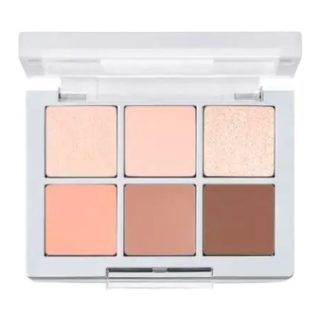 #12aNBetter Me Eye Palette
-
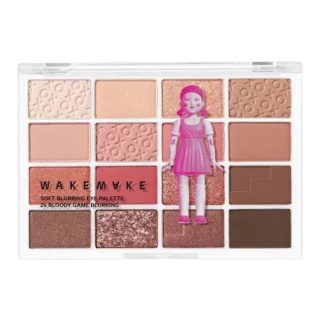 #2WakemakeSoft Blurring Eye Palette
-
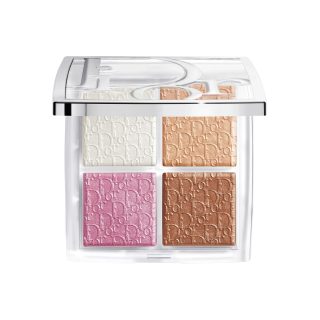 #3DiorBackstage Glow Maximizer Palette
-
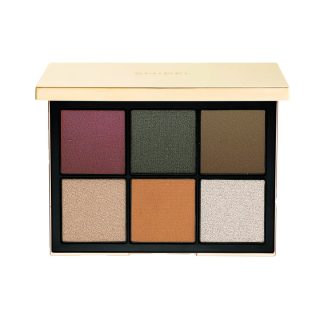 #4SNIDEL BEAUTYEye Designer
-
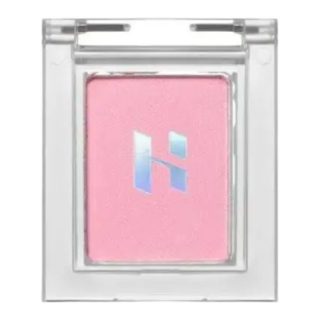 #5Holika HolikaMy Fave Piece Shadow
-
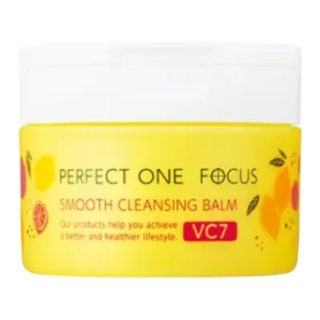 #6Perfect OneSmooth Cleansing Balm VC7
-
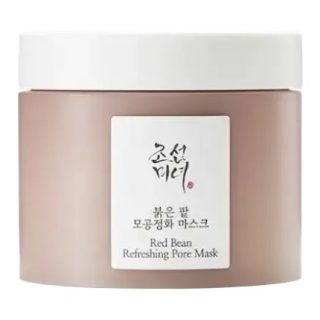 #7Beauty of JoseonRed Bean Refreshing Pore Mask
-
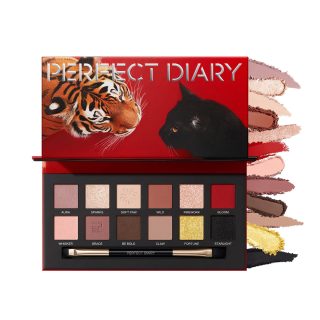 #8Perfect DiaryExplorer 12-Color Animal Eyeshadow Palette
-
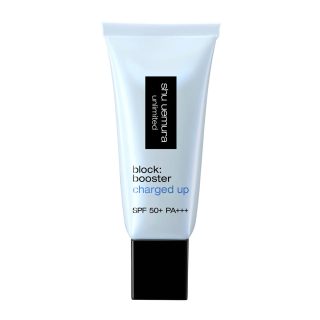 #9Shu UemuraUnlimited Block: Booster Advanced SPF50+ PA+++
-
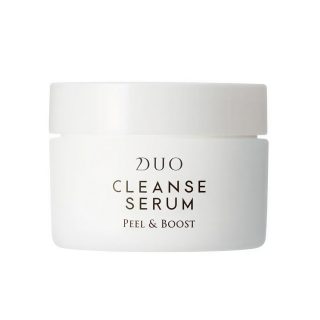 #10DUOCleanse Serum Peel & Boost
About Kaolin
Kaolin is a naturally occurring hydrated aluminum silicate.[1] In cosmetics, it is used to physically remove buildup from the skin or tooth surface, absorb liquids such as moisture or oil in a formula, and help powder ingredients flow evenly without hardening into lumps.[4] It is also used to increase the formula’s bulk and adjust the amount of solids, add color to products or areas of application, and reduce light transmission so the contents appear less translucent.[4] In Europe, it may be used to color cosmetics.[2] It is described as a white to pale yellow powder with no distinct odor, so evenly dispersing the particles in the formula is important to prevent clumping or settling.[3]
Kaolin Details
- Ingredient function
- Abrasive, Absorbent, Anticaking, Bulking, Cosmetic Colorant, Opacifying
- Main product categories
- Wash-Off Mask, Cleansing Foam, Eye Palette
- INCI name
- KAOLIN
- CosIng ID
- 34795
Kaolin References
- 대한화장품협회 화장품성분사전 · 성분코드 2892
- European Union · Annex IV entry 119
- CAMEO Chemicals · CID 92024769
- European Commission — CosIng · substanceId 34795
Last updated
This ingredient information is based on publicly available scientific literature, cosmetic ingredient databases, and regulatory sources from various countries. Usage restrictions, permitted concentrations, and labeling requirements may vary by country, region, and product type.
Ingredient preference is a reference metric based on user review data. It does not indicate the efficacy or safety of the ingredient itself.