Bis-PEG-18 Methyl Ether Dimethyl Silane
- Hydration
- Hair Conditioning
- Surfactant
Low data There is not yet enough product and review data to determine preference.
TOP 10 Bis-PEG-18 Methyl Ether Dimethyl Silane Products
-
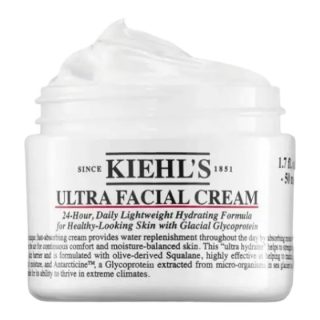 #1Kiehl'sUltra Facial Cream
-
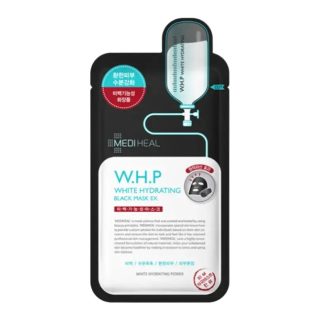 #2MedihealW.H.P White Hydrating Black Mask Ex
-
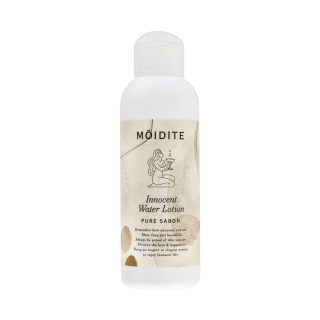 #3MOIDITEInnocent Water Lotion
-
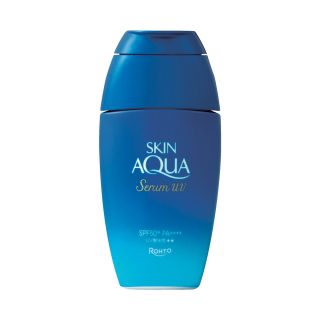 #4Skin AquaHyaluron Serum UV
-
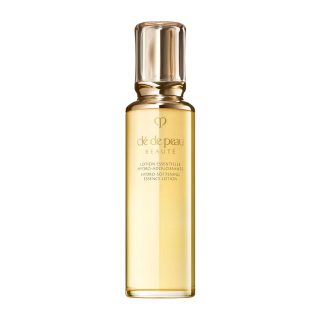 #5Clé de Peau BeautéLotion Essentielle A
-
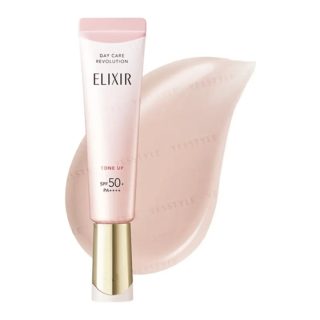 #6ElixirDay Care Revolution Tone Up SPF 50+
-
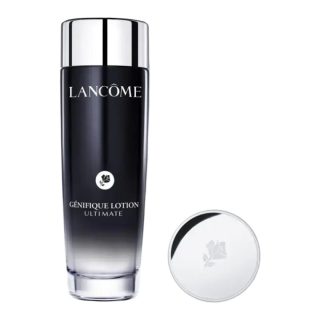 #7LancômeGenifique Lotion Ultimate
-
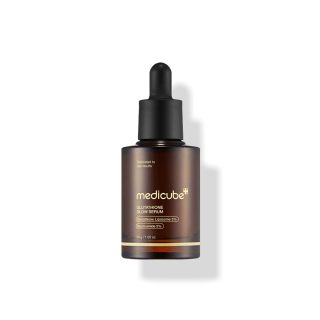 #8MediCubeAge-R Glutathione Glow Serum
-
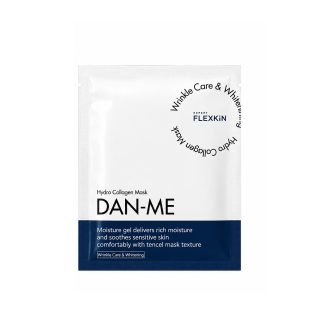 #9FLEXKINDAN-ME Hydro Collagen Mask
-
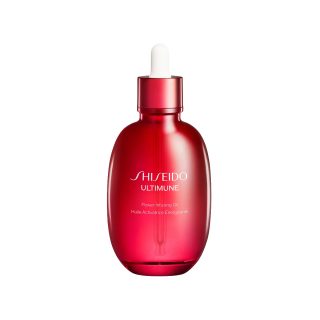 #10ShiseidoUltimune Power Infusing Oil
About Bis-PEG-18 Methyl Ether Dimethyl Silane
Bis-PEG-18 Methyl Ether Dimethyl Silane is an ethoxylated dimethylsilane containing a methyl diether with an average of 36 moles of ethylene oxide.[1] The number 18 in the name indicates the average number of ethylene oxide units added. With the same base structure, changing this number may also change water compatibility and the formulation’s viscosity and spreadability. In cosmetics, it is used to reduce friction on the skin or hair and add a smooth feel, increase the amount of foam and help prevent it from collapsing easily, and reduce tangling and rough feel in hair to leave it feeling smooth.[2] It is also used to attract moisture to the formulation and skin’s surface to help maintain hydration, help ingredients that do not dissolve readily in water disperse more evenly in the water phase, and leave the skin’s surface feeling soft and smooth.[2] It is used to lower surface tension so ingredients can wet, mix, and spread evenly.[2]
Bis-PEG-18 Methyl Ether Dimethyl Silane Details
- Ingredient function
- Emollient, Foam Boosting, Hair Conditioning, Humectant, Hydrotrope, Skin Conditioning, Surfactant
- Main product categories
- Sheet Mask, Anti-Aging Essence, Toner
- INCI name
- BIS-PEG-18 METHYL ETHER DIMETHYL SILANE
- CosIng ID
- 54713
Bis-PEG-18 Methyl Ether Dimethyl Silane References
Last updated
This ingredient information is based on publicly available scientific literature, cosmetic ingredient databases, and regulatory sources from various countries. Usage restrictions, permitted concentrations, and labeling requirements may vary by country, region, and product type.
Ingredient preference is a reference metric based on user review data. It does not indicate the efficacy or safety of the ingredient itself.