Biotin/Folic Acid/Cyanocobalamin/Niacinamide/Pantothenic Acid/Pyridoxine/Riboflavin/Thiamine/Yeast Polypeptides
- Brightening
- Acne Care
- Dark Spot Care
- Niacinamide
- Peptide
Low data There is not yet enough product and review data to determine preference.
TOP 10 Biotin/Folic Acid/Cyanocobalamin/Niacinamide/Pantothenic Acid/Pyridoxine/Riboflavin/Thiamine/Yeast Polypeptides Products
-
![VUCA Classic Deep Perfume Body Wash [White Musk]](https://media.viewduc.com/cdn-cgi/image/width=320,fit=contain,format=auto/products/920ef4906f84a175.jpg) #1VUCAClassic Deep Perfume Body Wash [White Musk]
#1VUCAClassic Deep Perfume Body Wash [White Musk] -
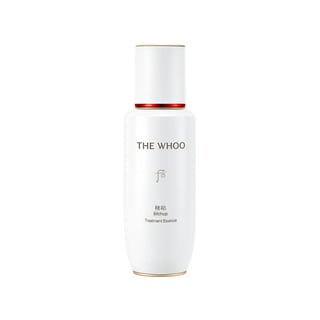 #2The WhooBichup Circulation Essence
 -
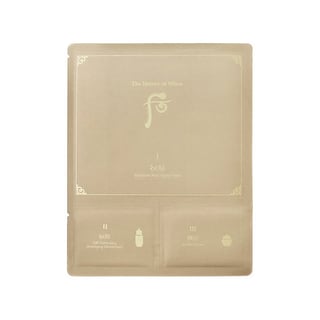 #3The WhooBichup 3 Step Mask
 -
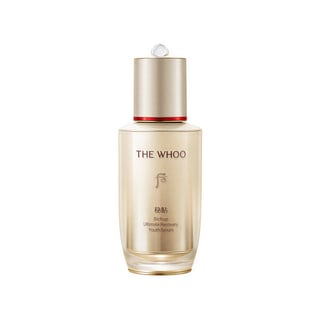 #4The WhooBichup Jasaeng Essence
 -
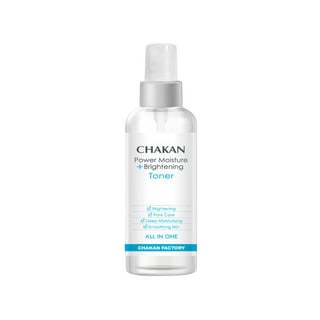 #5Chakan FactoryGlow Moisture Toner
 -
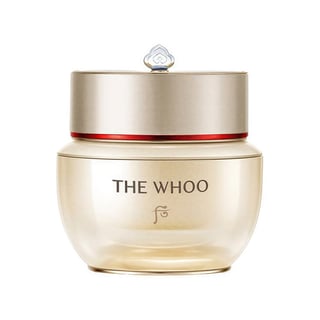 #6The WhooBichup Ja Yoon Cream
 -
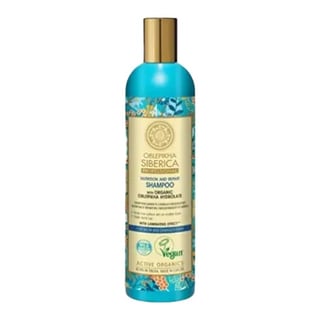 #7Natura SibericaOblepikha Shampoo For Weak And Damaged Hair
 -
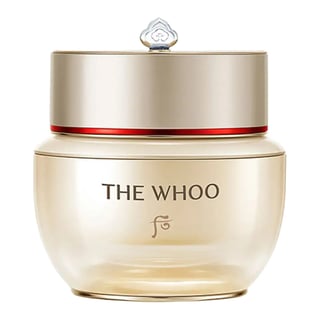 #8The History of WhooBichup Anti-Aging Repair Cream
 -
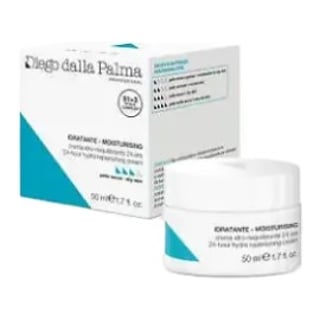 #9Diego Dalla Palma Professional24-Hour Hydro Replenishing Cream
 -
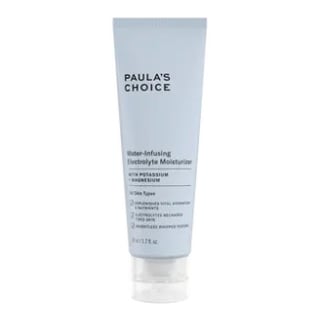 #10Paula's ChoiceWater-Infusing Electrolyte Moisturizer
About Biotin/Folic Acid/Cyanocobalamin/Niacinamide/Pantothenic Acid/Pyridoxine/Riboflavin/Thiamine/Yeast Polypeptides
Biotin/Folic Acid/Cyanocobalamin/Niacinamide/Pantothenic Acid/Pyridoxine/Riboflavin/Thiamine/Yeast Polypeptides is an ingredient obtained by subjecting a mixture of biotin, folic acid, cyanocobalamin, niacinamide, pantothenic acid, pyridoxine, riboflavin, thiamine, and yeast polypeptides to a conditioned heating reaction.[1] In cosmetics, it is used to leave the skin surface feeling soft and smooth.[2]
Biotin/Folic Acid/Cyanocobalamin/Niacinamide/Pantothenic Acid/Pyridoxine/Riboflavin/Thiamine/Yeast Polypeptides Details
- Ingredient function
- Skin Conditioning
- Main product categories
- Anti-Aging Essence, Anti-Aging Cream, Moisturizing Cream
- INCI name
- BIOTIN/FOLIC ACID/CYANOCOBALAMIN/NIACINAMIDE/PANTOTHENIC ACID/PYRIDOXINE/RIBOFLAVIN/THIAMINE/YEAST POLYPEPTIDES
- CosIng ID
- 54771
Biotin/Folic Acid/Cyanocobalamin/Niacinamide/Pantothenic Acid/Pyridoxine/Riboflavin/Thiamine/Yeast Polypeptides References
Last updated
This ingredient information is based on publicly available scientific literature, cosmetic ingredient databases, and regulatory sources from various countries. Usage restrictions, permitted concentrations, and labeling requirements may vary by country, region, and product type.
Ingredient preference is a reference metric based on user review data. It does not indicate the efficacy or safety of the ingredient itself.