Ascorbic Acid
- Brightening
- Dark Spot Care
- Skin Texture Improvement
- Wrinkle Improvement
- Scar Care Support
- Vitamin C
- Antioxidant
Average Products containing this ingredient are rated close to the overall average, with no strong preference trend in either direction.
TOP 10 Ascorbic Acid Products
-
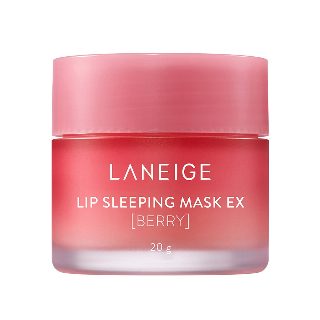 #1LaneigeLip Sleeping Mask
-
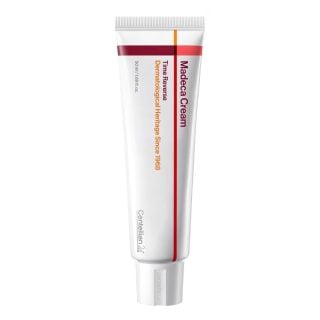 #2Centellian24Madeca Cream Time Reverse
-
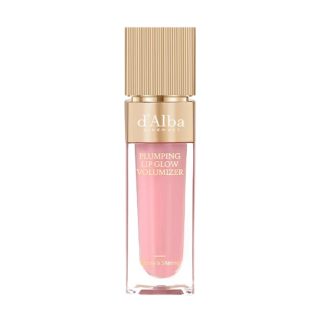 #3D'AlbaPlumping Lip Glow Mood Volumizer
-
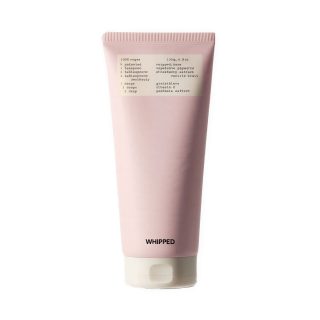 #4WhippedPeach Pear Vegan Yogurt Pack Cleanser
-
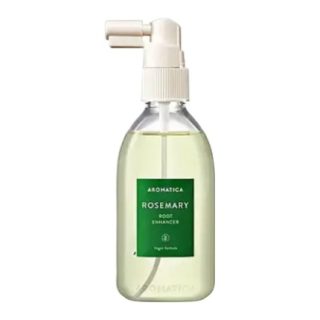 #5AromaticaRosemary Root Enhancer
-
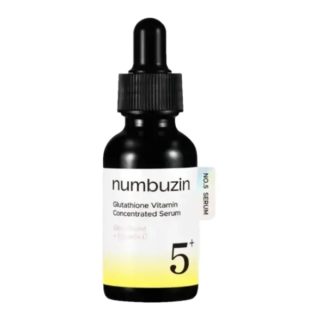 #6NumbuzinGlutathione Vitamin Concentrated Serum
-
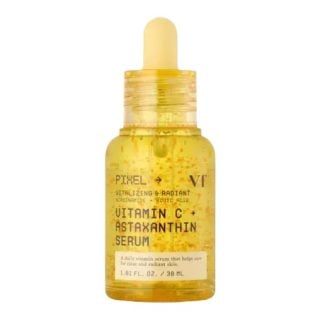 #7VT CosmeticsVitamin C Astaxanthin Serum
-
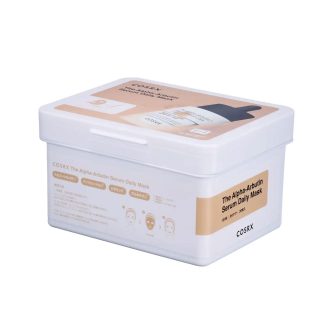 #8COSRXAlpha Arbutin Serum Daily Sheet Mask
-
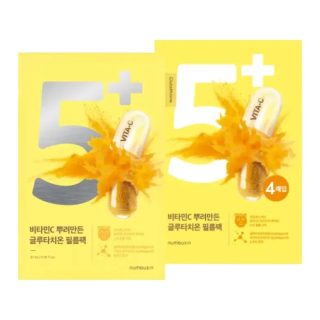 #9NumbuzinNo.5 Vitamin Spotlight Sheet Mask
-
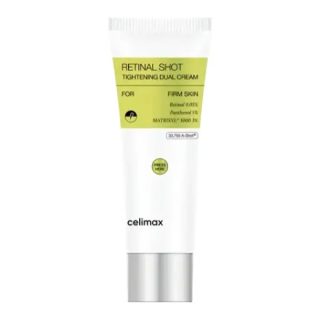 #10CelimaxThe Vita-A Retinal Shot Tightening Dual Cream
About Ascorbic Acid
Ascorbic Acid is an ingredient based on vitamin C that is used to adjust stability or solubility properties.[1] In cosmetics, it is used to slow the oxidation of formula ingredients caused by reactions with oxygen, buffer the formulation so its acidity does not change rapidly, and keep an ingredient’s characteristic odor or taste from becoming too noticeable.[3] It is also used to leave the skin surface feeling soft and smooth.[3] It is described as a white crystalline powder with no distinct odor, so when used in solid form it is important to dissolve or disperse it evenly first to prevent clumping in the formulation.[2]
Ascorbic Acid Details
- Ingredient function
- Antioxidant, Buffering, Masking, Skin Conditioning
- Main product categories
- Brightening Essence, Moisturizing Cream, Anti-Aging Essence
- INCI name
- ASCORBIC ACID
- CosIng ID
- 74328
Ascorbic Acid References
- 대한화장품협회 화장품성분사전 · 성분코드 1720
- CAMEO Chemicals · CID 54670067
- European Commission — CosIng · substanceId 74328
Last updated
This ingredient information is based on publicly available scientific literature, cosmetic ingredient databases, and regulatory sources from various countries. Usage restrictions, permitted concentrations, and labeling requirements may vary by country, region, and product type.
Ingredient preference is a reference metric based on user review data. It does not indicate the efficacy or safety of the ingredient itself.