Achillea Millefolium Oil
- Good for Oily Skin
- Soothing
- May Cause Irritation
- May Worsen Redness
- Fragrance
- Oil
- Essential Oil
Low data There is not yet enough product and review data to determine preference.
TOP 10 Achillea Millefolium Oil Products
-
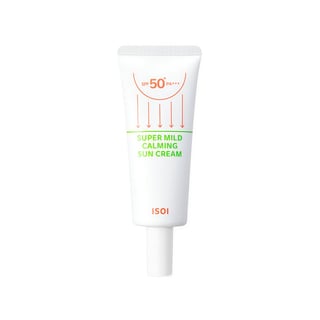 #1ISOISuper Mild Calming Sunscreen [SPF50+/PA+++]
 -
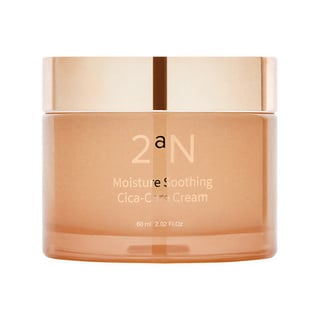 #22aNMoisture Soothing Cica Care Cream
 -
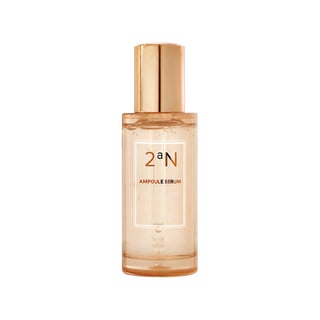 #32aNCica Care Ampoule Serum
 -
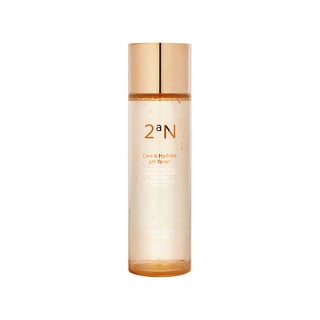 #42aNCare & Hydrate pH Toner
 -
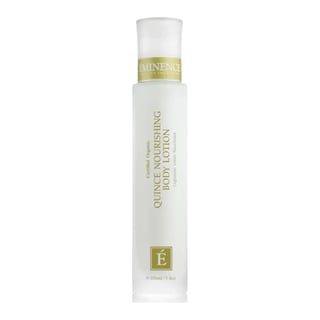 #5Eminence OrganicsQuince Nourishing Body Lotion
 -
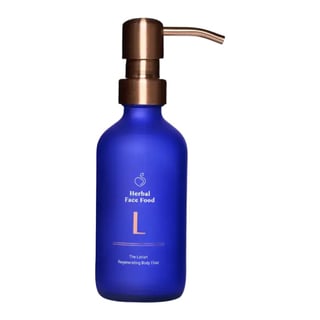 #6Herbal Face FoodThe Lotion
 -
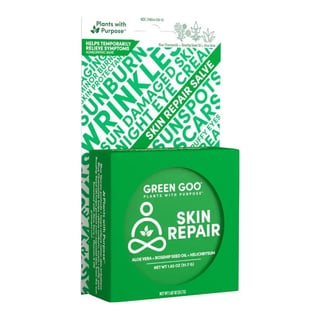 #7Green GooSkin Repair Salve
 -
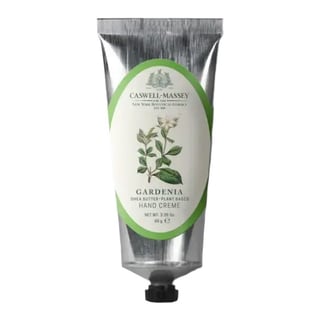 #8Caswell-MasseyGardenia Hand Cream
 -
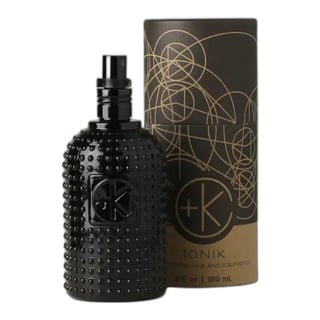 #9Cult+KingTonik Conditioning Hair & Scalp Potion
 -
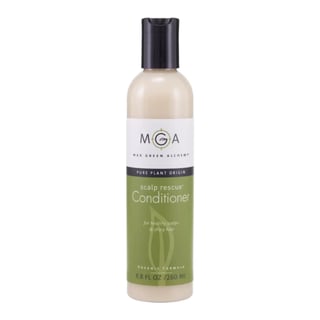 #10Max Green AlchemyScalp Rescue Conditioner
About Achillea Millefolium Oil
Achillea Millefolium Oil is an oil obtained from the flowering herb of Achillea Millefolium.[1] Because it primarily contains fatty components from Achillea Millefolium, it mixes more readily with oils than with water and is suitable for adding slip and a supple feel to the skin or hair while reducing the sensation of moisture evaporating quickly. In cosmetics, it is used to reduce the occurrence or visibility of scalp dandruff, help sebum and impurities be washed away with water, and prevent the characteristic odor or taste of an ingredient from becoming overly pronounced.[2] It is also used to add fragrance to a product or adjust an ingredient's characteristic odor, provide a fresh, refreshing sensation where applied, and help keep the skin comfortable.[2] It is used to leave the skin or hair feeling fresh and well-groomed.[2]
Achillea Millefolium Oil Details
- Ingredient function
- Antidandruff, Cleansing, Masking, Perfuming, Refreshing, Soothing, Tonic
- Main product categories
- Face Oil, Moisturizing Cream, Sunscreen
- INCI name
- ACHILLEA MILLEFOLIUM OIL
- CosIng ID
- 74010
Achillea Millefolium Oil References
Last updated
This ingredient information is based on publicly available scientific literature, cosmetic ingredient databases, and regulatory sources from various countries. Usage restrictions, permitted concentrations, and labeling requirements may vary by country, region, and product type.
Ingredient preference is a reference metric based on user review data. It does not indicate the efficacy or safety of the ingredient itself.