Zinc Oxide
- Good for Oily Skin
- Mineral UV Filter
- UV Protection
- Zinc
- Colorant
Low data There is not yet enough product and review data to determine preference.
TOP 10 Zinc Oxide Products
-
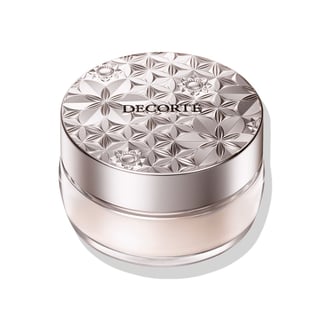 #1DecorteLoose Powder
 -
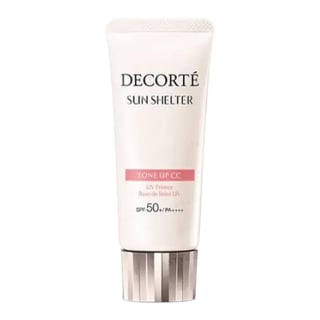 #2DecorteSun Shelter Tone Up CC SPF 50+
 -
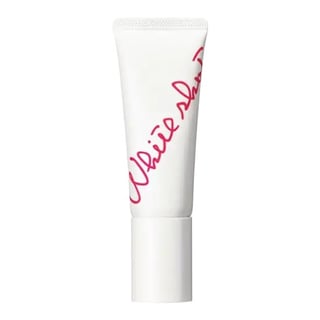 #3PolaWhite Shot Serum UV SPF 50+
 -
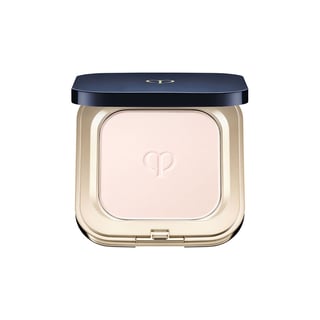 #4Clé de Peau BeautéPoudre Compacte Essentielle N
 -
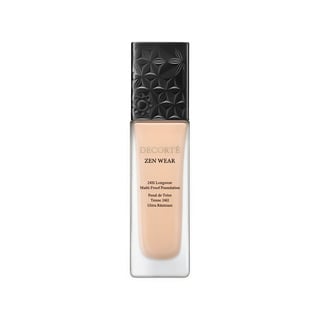 #5DecorteZen Wear Stay Liquid Foundation
 -
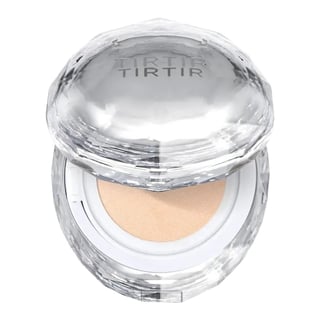 #6TirtirMask Fit Crystal Mesh Cushion
 -
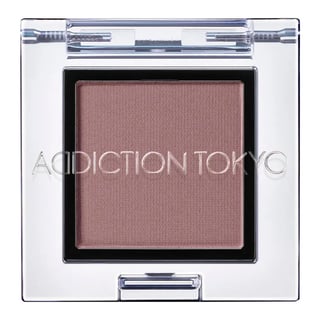 #7Addiction TokyoThe Eyeshadow Matte
 -
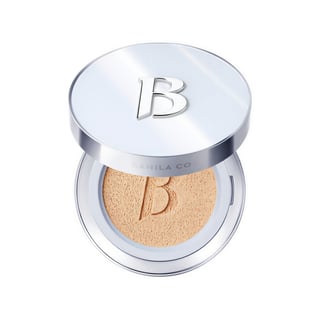 #8Banila CoCovericious Ultimate White Cushion Air SPF50+ PA++++
 -
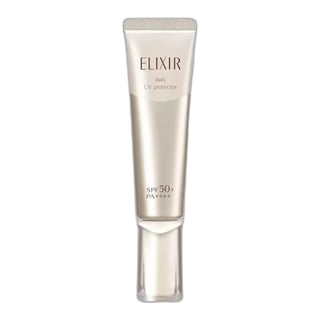 #9ElixirDaily UV Protector SPF 50+ PA++++
 -
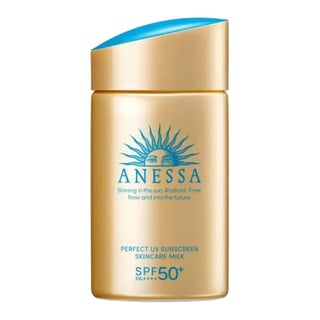 #10AnessaPerfect UV Sunscreen Skincare Milk SPF 50+
About Zinc Oxide
Zinc oxide is an inorganic oxide.[1] In cosmetics, it is used to increase the volume of a formula and adjust the amount of solids, add color to the product or application area, and protect the skin from external factors.[4] It is also used to reduce changes to the product and formula ingredients caused by ultraviolet radiation and to reduce the amount of ultraviolet radiation reaching the skin by absorbing or reflecting it.[4] In Europe, it may be used as a colorant in cosmetics, and as a UV-filtering ingredient it is permitted at up to 25%. However, it cannot be used in spray products in which users may inhale it and expose their lungs to it.[2] It is described as a yellow solid, so evenly dispersing it in the formula is important to prevent particles from clumping or settling.[3]
Zinc Oxide Details
- Ingredient function
- Bulking, Cosmetic Colorant, Skin Protecting, UV Absorber, UV Filter
- Main product categories
- Sunscreen, BB/CC Cream, Cushion Foundation
- INCI name
- ZINC OXIDE
- CosIng ID
- 38968
Zinc Oxide References
- 대한화장품협회 화장품성분사전 · 성분코드 2776
- European Union · Annex IV entry 144; Annex VI entry 30; Annex VI entry 30a
- CAMEO Chemicals · CID 3007857
- European Commission — CosIng · substanceId 38968
Last updated
This ingredient information is based on publicly available scientific literature, cosmetic ingredient databases, and regulatory sources from various countries. Usage restrictions, permitted concentrations, and labeling requirements may vary by country, region, and product type.
Ingredient preference is a reference metric based on user review data. It does not indicate the efficacy or safety of the ingredient itself.