Triethanolamine
- May Cause Acne
- May Worsen Oily Skin
- Surfactant
Not rated A basic ingredient widely used in most products, such as purified water, or one that is not suitable for star-rating-based preference analysis.
TOP 10 Triethanolamine Products
-
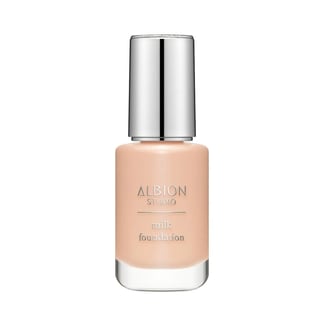 #1AlbionStudio Milk Foundation
 -
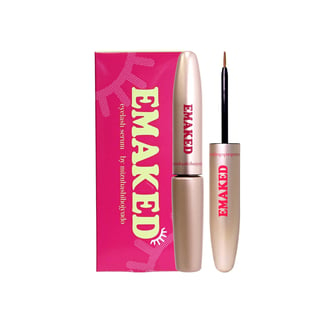 #2Mizuhashi HojudoEMAKED
 -
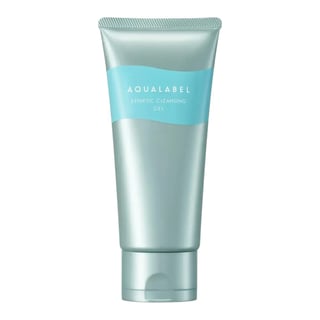 #3AqualabelEsthetic Cleansing Gel
 -
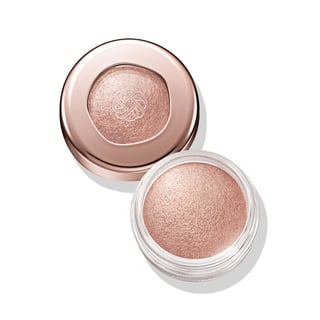 #4DecorteEye Glow Gem Skin Shadow
 -
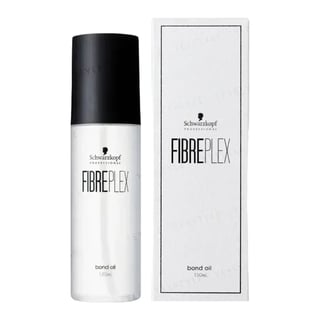 #5Schwarzkopf ProfessionalFibreplex Bond Oil
 -
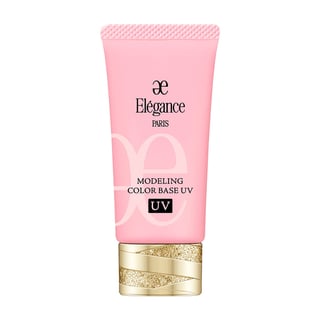 #6EleganceModeling Color Base UV
 -
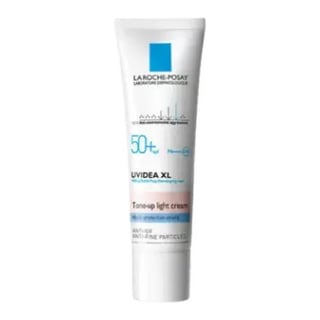 #7La Roche-PosayUvidea Anthelios Tone-Up Rosy SPF50+
 -
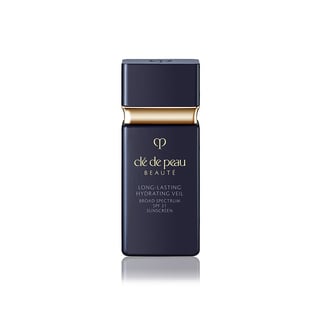 #8Clé de Peau BeautéLong-Lasting Hydrating Veil
 -
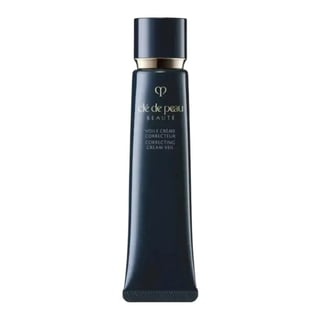 #9Clé de Peau BeautéCorrecting Cream Veil
 -
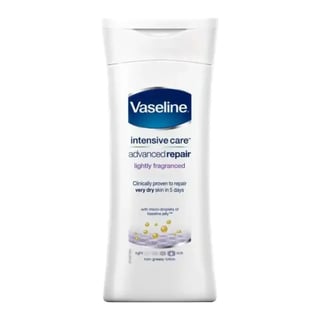 #10VaselineIntensive Care Advanced Repair Fragranced Moisturising Body Lotion
About Triethanolamine
Triethanolamine is an alkanolamine.[1] In cosmetics, it is used to buffer the formula so its acidity does not change sharply, create emulsified formulas in which water and oil are evenly mixed, and prevent the ingredient's characteristic odor or taste from becoming too pronounced.[3] It is also used to lower surface tension so ingredients wet, mix, and spread evenly.[3] In Europe, a maximum of 2.5% is permitted in leave-on products, while no separate maximum concentration is specified for rinse-off products. Nitrosamines must also be no higher than 50 μg/kg.[2]
Triethanolamine Details
- Ingredient function
- Buffering, Emulsifying, Masking, Surfactant
- Main product categories
- Sunscreen, Moisturizing Cream, Body Lotion
- INCI name
- TRIETHANOLAMINE
- CosIng ID
- 38702
Triethanolamine References
- 대한화장품협회 화장품성분사전 · 성분코드 3386
- European Union · Annex III entry 62
- European Commission — CosIng · substanceId 38702
Last updated
This ingredient information is based on publicly available scientific literature, cosmetic ingredient databases, and regulatory sources from various countries. Usage restrictions, permitted concentrations, and labeling requirements may vary by country, region, and product type.
Ingredient preference is a reference metric based on user review data. It does not indicate the efficacy or safety of the ingredient itself.