Titanium Dioxide
- Mineral UV Filter
- UV Protection
- Colorant
Average Products containing this ingredient are rated close to the overall average, with no strong preference trend in either direction.
TOP 10 Titanium Dioxide Products
-
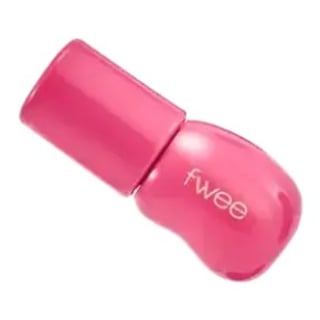 #1Fwee3D Voluming Gloss
 -
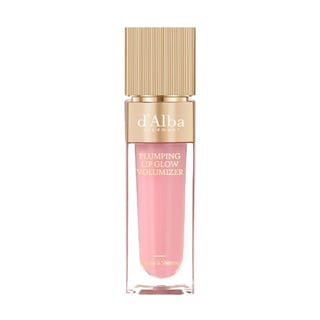 #2D'AlbaPlumping Lip Glow Mood Volumizer
 -
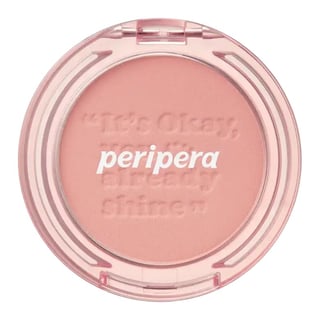 #3PeriperaPure Blushed Sunshine Cheek
 -
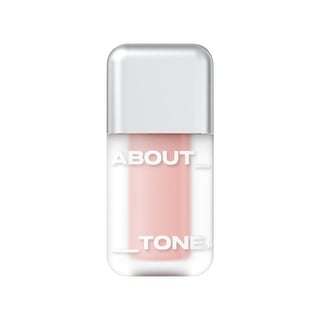 #4About ToneSkin Layer Fit Blusher
 -
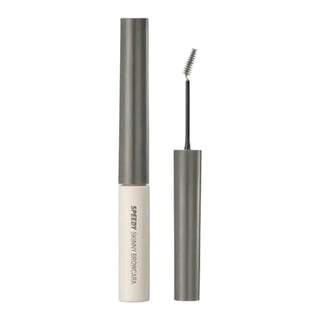 #5PeriperaSpeedy Skinny Browcara
 -
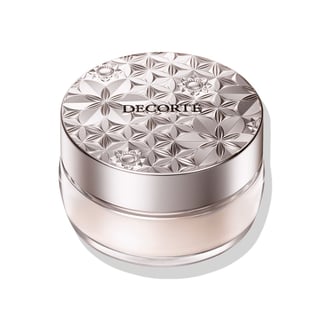 #6DecorteLoose Powder
 -
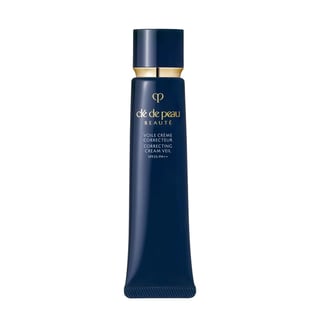 #7Clé de Peau BeautéVoile Correcteur N
 -
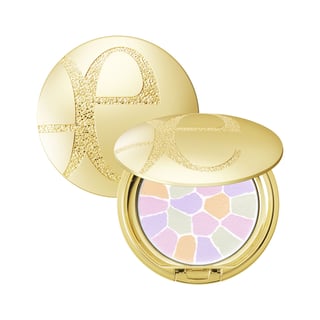 #8EleganceLa Poudre Haute Nuance
 -
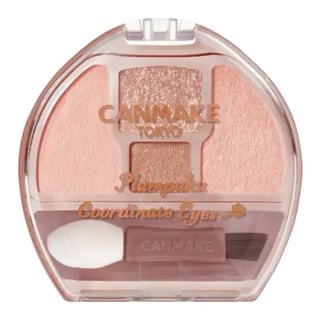 #9CanmakePlumpuku Coordinate
 -
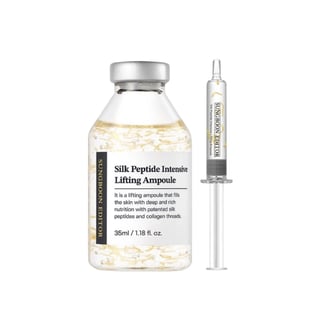 #10Sungboon EditorSilk Peptide Intensive Lifting Ampoule
About Titanium Dioxide
Titanium Dioxide is an inorganic oxide.[1] In cosmetics, it is used to add color to a product or application area, reduce light transmission so the contents appear less translucent, and reduce changes to products and formula ingredients caused by ultraviolet radiation.[3] It is also used to absorb or reflect ultraviolet radiation and reduce the amount reaching the skin.[3] In Europe, it may be used as a colorant in cosmetics and is permitted as a UV-filtering ingredient at concentrations up to 25%. However, it cannot be used in spray products that may be inhaled and expose the lungs, or in lip products. Nanomaterials must meet specified purity, crystal form, particle size, and coating criteria, and must also have a purity of at least 99%.[2]
Titanium Dioxide Details
- Ingredient function
- Cosmetic Colorant, Opacifying, UV Absorber, UV Filter
- Main product categories
- Sunscreen, BB/CC Cream, Liquid Foundation
- INCI name
- TITANIUM DIOXIDE
- CosIng ID
- 38617
Titanium Dioxide References
- 대한화장품협회 화장품성분사전 · 성분코드 3463
- European Union · Annex IV entry 143; Annex VI entry 27; Annex VI entry 27a
- European Commission — CosIng · substanceId 38617
Last updated
This ingredient information is based on publicly available scientific literature, cosmetic ingredient databases, and regulatory sources from various countries. Usage restrictions, permitted concentrations, and labeling requirements may vary by country, region, and product type.
Ingredient preference is a reference metric based on user review data. It does not indicate the efficacy or safety of the ingredient itself.