Tea-Stearate
- Surfactant
Low data There is not yet enough product and review data to determine preference.
TOP 10 Tea-Stearate Products
-
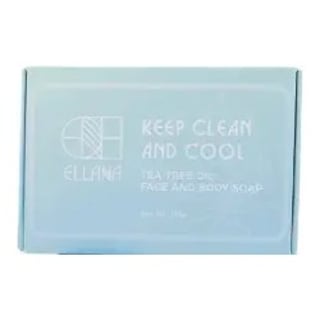 #1Ellana Mineral CosmeticsKeep Clean And Cool Tea Tree Face And Body Soap
 -
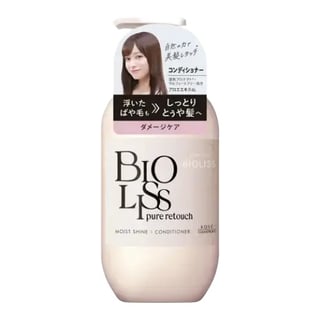 #2BiolissPure Retouch Moist Shine Conditioner
 -
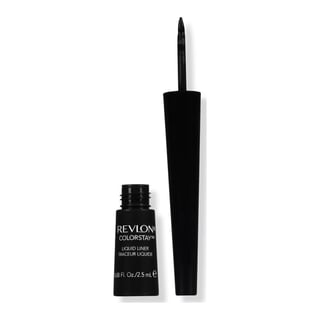 #3RevlonColorstay Liquid Eyeliner
 -
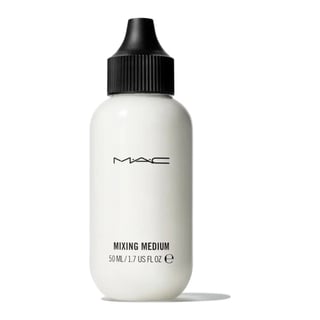 #4Mac CosmeticsFace & Body Mixing Medium
 -
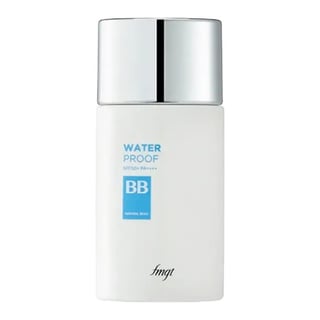 #5fmgtWaterproof BB Cream SPF 50+
 -
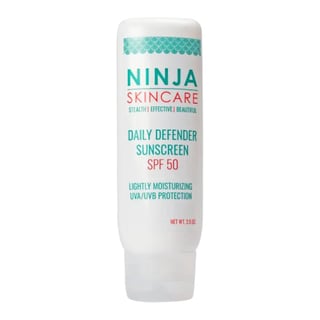 #6Ninja SkincareDaily Defender Sunscreen SPF 50
 -
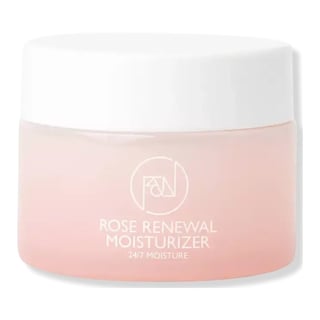 #7Flora & NoorRose Renewal Tri-Peptide and Ceramide Moisturizer
 -
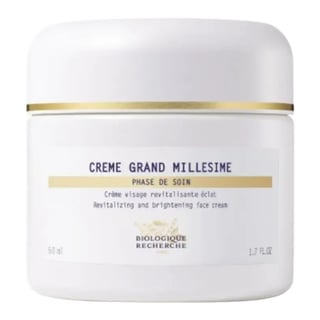 #8Biologique RechercheCrème Grand Millésime Radiance Revitalizing Face Cream
 -
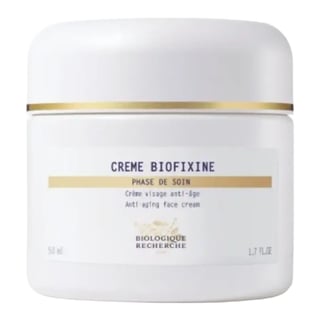 #9Biologique RechercheCrème Biofixine Anti-Ageing Face Cream
 -
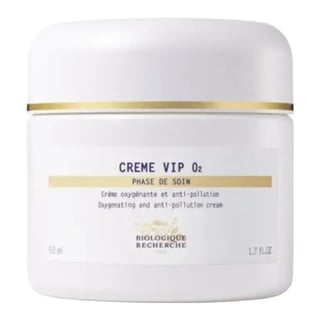 #10Biologique RechercheCrème VIP O2 Oxygenating and Anti-Pollution Cream
About Tea-Stearate
Tea-Stearate is the triethanolamine salt of stearic acid.[1] In cosmetics, it is used to help sebum and impurities rinse away with water, to create emulsions in which water and oil are evenly blended, and to lower surface tension so ingredients wet, mix, and spread evenly.[4] In Europe, it is permitted at up to 2.5% in leave-on products, with no separate maximum concentration specified for rinse-off products. Nitrosamines must also be no more than 50 μg/kg.[2] It is described as a wax-like solid, so when in solid form it is important to melt or disperse it evenly first to prevent clumping in the formulation.[3]
Tea-Stearate Details
- Ingredient function
- Cleansing, Emulsifying, Surfactant
- Main product categories
- Anti-Aging Cream, Cleansing Foam, Brightening Essence
- INCI name
- TEA-STEARATE
- CosIng ID
- 38534
Tea-Stearate References
- 대한화장품협회 화장품성분사전 · 성분코드 3452
- European Union · Annex III entry 62
- CAMEO Chemicals · CID 20701
- European Commission — CosIng · substanceId 38534
Last updated
This ingredient information is based on publicly available scientific literature, cosmetic ingredient databases, and regulatory sources from various countries. Usage restrictions, permitted concentrations, and labeling requirements may vary by country, region, and product type.
Ingredient preference is a reference metric based on user review data. It does not indicate the efficacy or safety of the ingredient itself.