Synthetic Wax
- May Worsen Oily Skin
- May Worsen Malassezia Folliculitis
Not rated A basic ingredient widely used in most products, such as purified water, or one that is not suitable for star-rating-based preference analysis.
TOP 10 Synthetic Wax Products
-
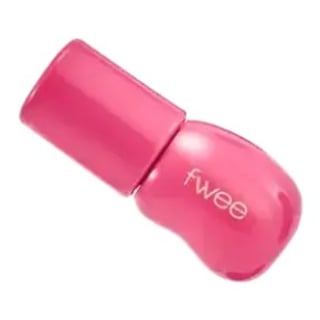 #1Fwee3D Voluming Gloss
 -
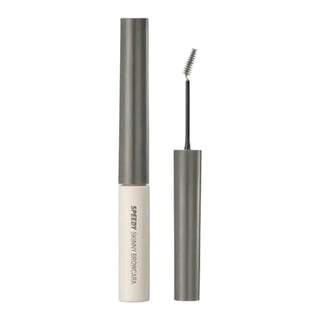 #2PeriperaSpeedy Skinny Browcara
 -
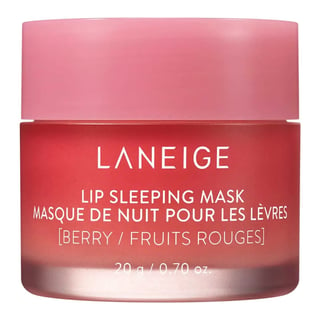 #3LaneigeLip Sleeping Mask
 -
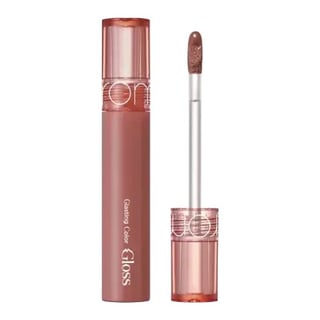 #4RomandGlasting Color Gloss
 -
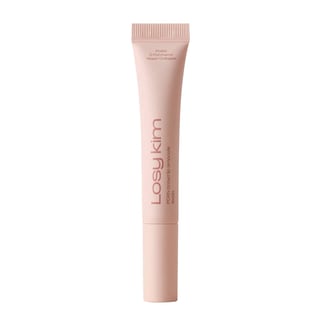 #5Losy KimPDRN Tinted Lip Ampoule
 -
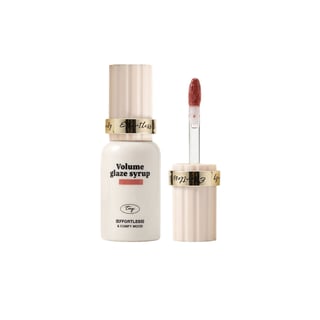 #6TooqVolume Glaze Syrup Tint
 -
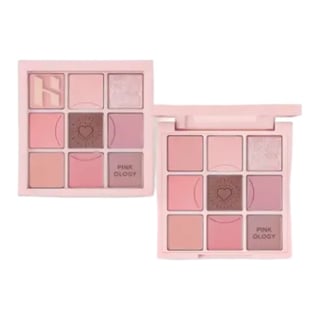 #7Holika HolikaMy Fave Mood Eye Palette
 -
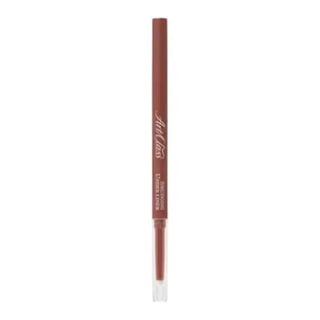 #8Too Cool For SchoolArtclass Smudging Under Liner
 -
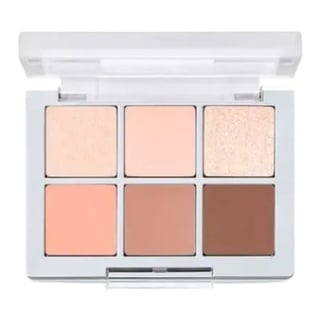 #92aNBetter Me Eye Palette
 -
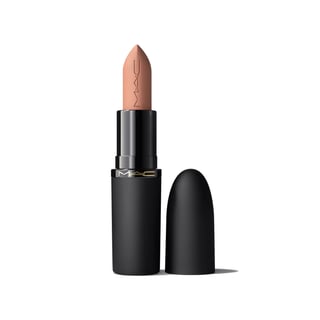 #10Mac CosmeticsPowder Kiss Hazy Matte Lipstick
About Synthetic Wax
Synthetic Wax is a hydrocarbon wax obtained mainly through the polymerization of ethylene.[1] Since it is primarily composed of fatty components, it mixes better with oil than water and is suitable for adding slip and a supple feel to skin or hair while reducing the feeling of moisture evaporating quickly. In cosmetics, it is used to physically remove deposits from the skin or tooth surface, help ingredients in a formula bind together and maintain its shape, and help prevent emulsions of water and oil from separating easily.[2] It is also used to keep the characteristic odor or taste of an ingredient from becoming too noticeable and to adjust the viscosity and flow of the formula.[2]
Synthetic Wax Details
- Ingredient function
- Abrasive, Binding, Emulsion Stabilising, Masking, Viscosity Controlling
- Main product categories
- Lip Balm, Cleansing Balm, Glossy Lipstick
- INCI name
- SYNTHETIC WAX
- CosIng ID
- 80523
Synthetic Wax References
Last updated
This ingredient information is based on publicly available scientific literature, cosmetic ingredient databases, and regulatory sources from various countries. Usage restrictions, permitted concentrations, and labeling requirements may vary by country, region, and product type.
Ingredient preference is a reference metric based on user review data. It does not indicate the efficacy or safety of the ingredient itself.