Stearyl Alcohol
- May Cause Acne
- May Worsen Oily Skin
- Fatty Alcohol
- Surfactant
Not rated A basic ingredient widely used in most products, such as purified water, or one that is not suitable for star-rating-based preference analysis.
TOP 10 Stearyl Alcohol Products
-
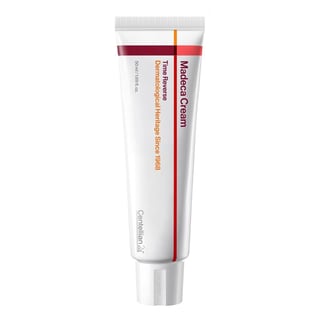 #1Centellian24Madeca Cream Time Reverse
 -
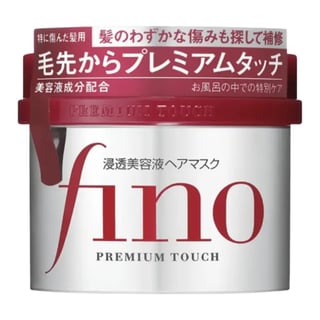 #2FinoPremium Touch Hair Mask
 -
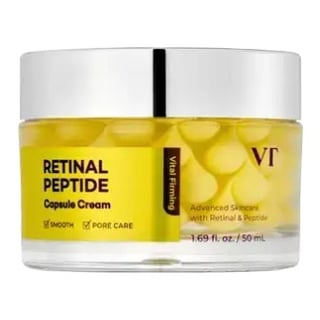 #3VT CosmeticsRetinal Peptide Capsule Cream
 -
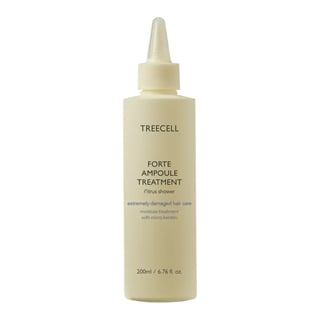 #4TreecellForte Ampoule Treatment
 -
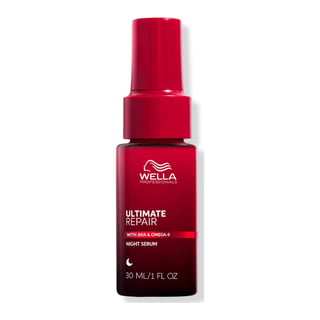 #5WellaUltimate Repair Night Hair Serum
 -
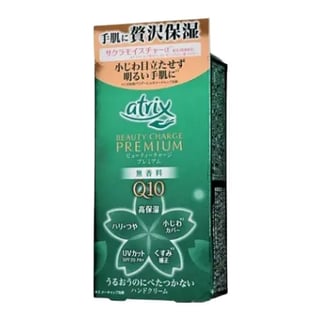 #6KaoAtrix Beauty Charge Premium Hand Cream SPF 20 PA+
 -
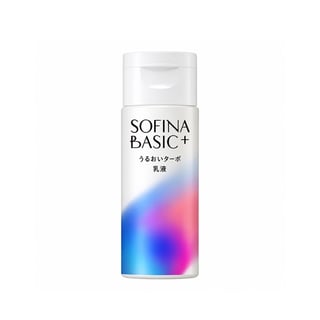 #7Sofina Basic PlusUruoi Turbo Emulsion
 -
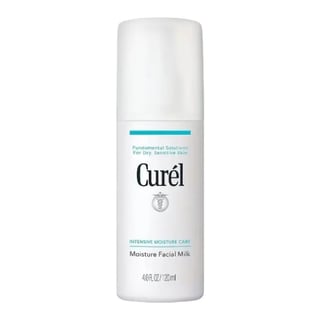 #8CurelMoisture Facial Milk
 -
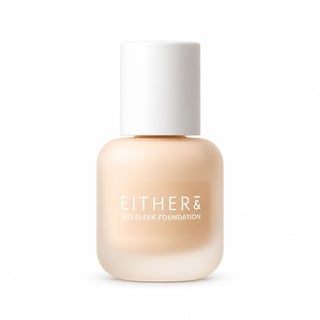 #9EITHER&Egg Sleek Foundation
 -
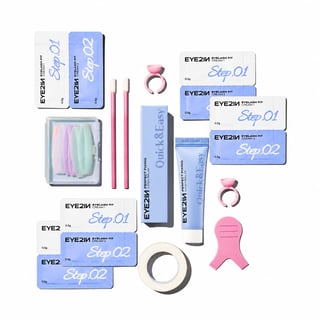 #10EYE2INSelf Eyelash Perm Kit
About Stearyl Alcohol
Stearyl alcohol is a fatty alcohol.[1] In cosmetics, it is used to reduce friction on the skin or hair and add a smooth feel, create emulsified formulations in which water and oil are evenly mixed, and keep the emulsion from separating easily.[2] It is also used to increase the amount of foam and help it last longer, prevent the characteristic odor or taste of raw materials from becoming too noticeable, and reduce light transmission so that the contents appear less translucent.[2] It is used to replenish the skin or hair with an oily feel after cleansing, lower surface tension so that raw materials wet, mix, and spread evenly, and adjust the viscosity and flow of the formulation.[2]
Stearyl Alcohol Details
- Ingredient function
- Emollient, Emulsifying, Emulsion Stabilising, Foam Boosting, Masking, Opacifying, Refatting, Surfactant, Viscosity Controlling
- Main product categories
- Moisturizing Cream, Moisturizing/Nourishing Conditioner, Hair Mask/Pack
- INCI name
- STEARYL ALCOHOL
- CosIng ID
- 38319
Stearyl Alcohol References
Last updated
This ingredient information is based on publicly available scientific literature, cosmetic ingredient databases, and regulatory sources from various countries. Usage restrictions, permitted concentrations, and labeling requirements may vary by country, region, and product type.
Ingredient preference is a reference metric based on user review data. It does not indicate the efficacy or safety of the ingredient itself.