Stearic Acid
- Hydration
- May Cause Acne
- May Worsen Oily Skin
- May Worsen Malassezia Folliculitis
- Surfactant
Not rated A basic ingredient widely used in most products, such as purified water, or one that is not suitable for star-rating-based preference analysis.
TOP 10 Stearic Acid Products
-
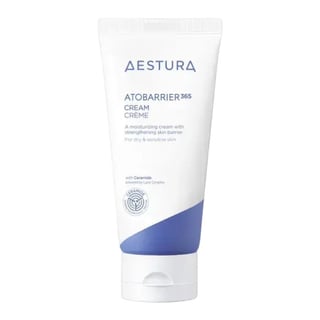 #1AesturaAtobarrier 365 Cream
 -
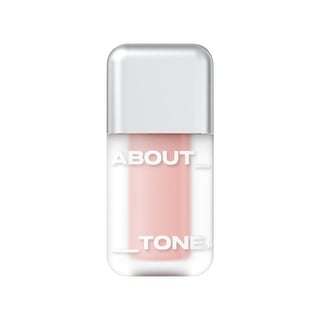 #2About ToneSkin Layer Fit Blusher
 -
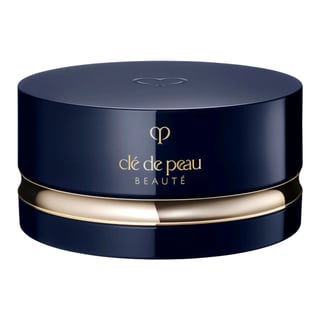 #3Clé de Peau BeautéTranslucent Loose Powder
 -
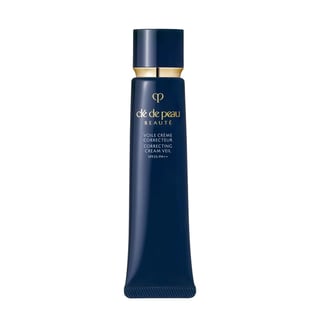 #4Clé de Peau BeautéVoile Correcteur N
 -
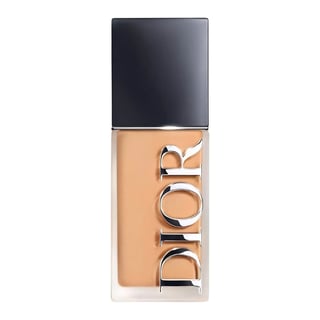 #5DiorForever Skin Wear Blurring Natural Matte Foundation
 -
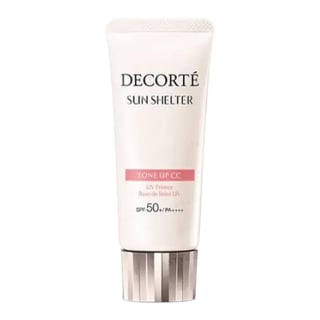 #6DecorteSun Shelter Tone Up CC SPF 50+
 -
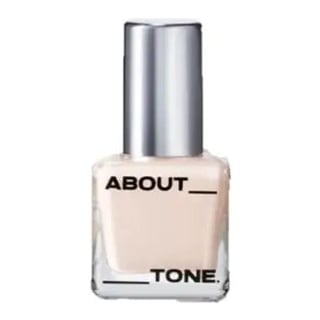 #7About ToneSkin Layer Fit Foundation
 -
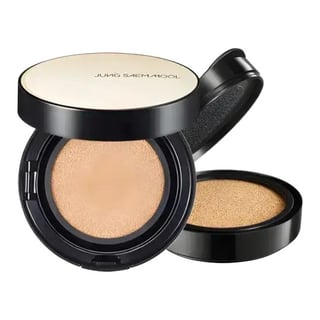 #8Jung Saem MoolEssential Skin Nuder Cushion
 -
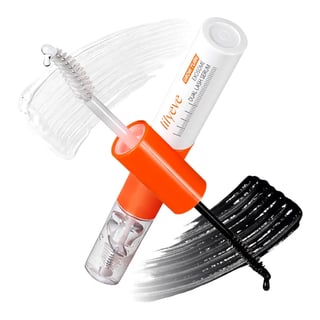 #9LilyeveGrow:Turn Exosome Dual Lash Serum
 -
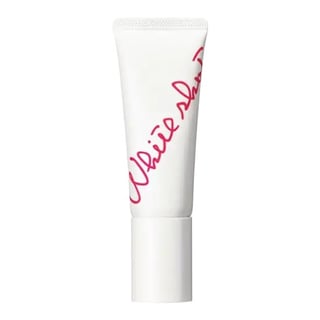 #10PolaWhite Shot Serum UV SPF 50+
About Stearic Acid
Stearic Acid is a fatty acid.[1] In cosmetics, it is used to help sebum and impurities wash away with water, create emulsified formulations in which water and oil are evenly mixed, and keep the emulsion from separating easily.[3] It is also used to prevent the raw material's characteristic odor or taste from becoming too noticeable, replenish an oily feel to the skin or hair after cleansing, and lower surface tension so ingredients wet, mix, and spread evenly.[3] It is described as a white solid, so when in solid form it is important to melt it first or disperse it evenly to prevent clumping in the formulation.[2]
Stearic Acid Details
- Ingredient function
- Cleansing, Emulsifying, Emulsion Stabilising, Masking, Refatting, Surfactant
- Main product categories
- Moisturizing Cream, Cleansing Foam, Sunscreen
- INCI name
- STEARIC ACID
- CosIng ID
- 79070
Stearic Acid References
- 대한화장품협회 화장품성분사전 · 성분코드 1465
- CAMEO Chemicals · CID 5281
- European Commission — CosIng · substanceId 79070
Last updated
This ingredient information is based on publicly available scientific literature, cosmetic ingredient databases, and regulatory sources from various countries. Usage restrictions, permitted concentrations, and labeling requirements may vary by country, region, and product type.
Ingredient preference is a reference metric based on user review data. It does not indicate the efficacy or safety of the ingredient itself.