Sh-Decapeptide-7
- Peptide
- Antioxidant
- Hair Conditioning
Low data There is not yet enough product and review data to determine preference.
TOP 10 Sh-Decapeptide-7 Products
-
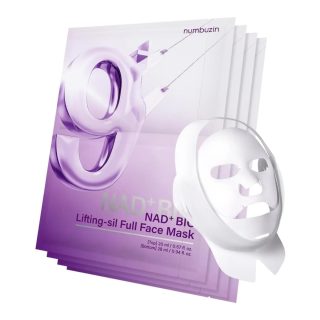 #1NumbuzinNo.9 NAD Bio Lifting-Sil Full Face Mask
-
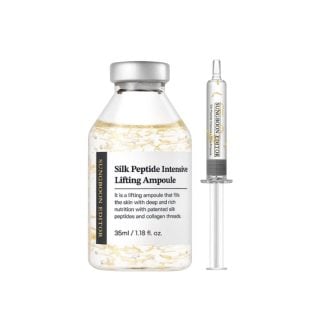 #2Sungboon EditorSilk Peptide Intensive Lifting Ampoule
-
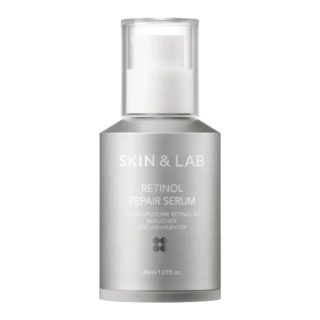 #3Skin&LabRetinol Repair Serum
-
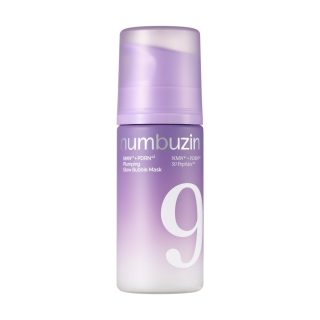 #4NumbuzinNo.9 Firming Booster Quick Bubble Pack
-
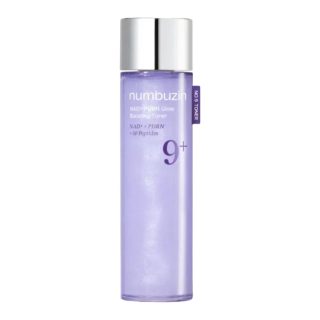 #5NumbuzinNo.9 NAD+ PDRN Glow Boosting Toner
-
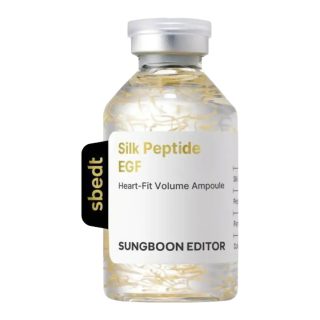 #6Sungboon EditorSilk Peptide EGF Heart Fit Volume Ampoule
-
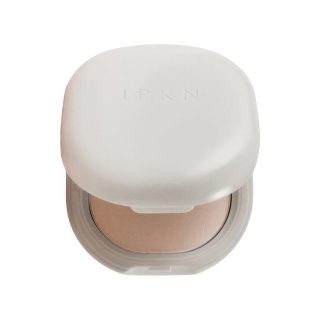 #7IPKNNewness Bare Powder Pact
-
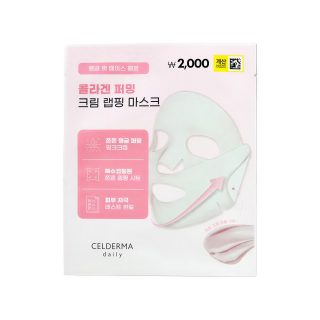 #8Celderma DailyCollagen Firming Cream Wrapping Mask
-
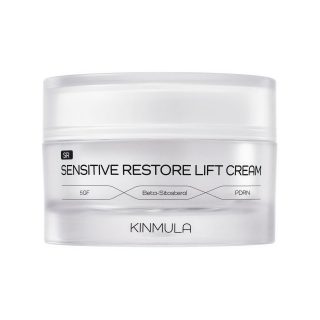 #9KinmullerSensitive Restore Lift Cream
-
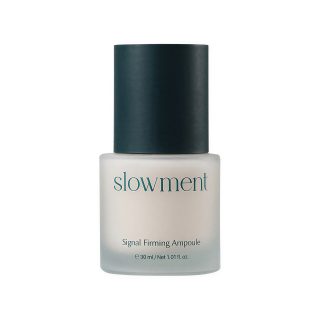 #10SeullomeonteuSignal Firming Ampoule
About Sh-Decapeptide-7
Sh-Decapeptide-7 is a single-chain human peptide synthesized to be identical to part of enkephalin, a type of protein, and composed of 10 amino acids: glycine, leucine, lysine, phenylalanine, serine, threonine, and tyrosine.[1] The number 7 at the end of the name is only an identification number distinguishing different peptides; it does not indicate the amount used or rank of efficacy. In cosmetics, it is used to slow the oxidation of formula ingredients caused by reactions with oxygen, buffer the formula so its acidity does not change rapidly, and bind metal ions to reduce their effects on color, scent, and formula stability.[2] It is also used to reduce tangling and roughness in hair for smoother grooming, promote reactions that reduce other ingredients, and protect the skin from external factors.[2]
Sh-Decapeptide-7 Details
- Ingredient function
- Antioxidant, Buffering, Chelating, Hair Conditioning, Reducing, Skin Protecting
- Main product categories
- Anti-Aging Essence, Moisturizing Cream, Sheet Mask
- INCI name
- SH-DECAPEPTIDE-7
- CosIng ID
- 84379
Sh-Decapeptide-7 References
Last updated
This ingredient information is based on publicly available scientific literature, cosmetic ingredient databases, and regulatory sources from various countries. Usage restrictions, permitted concentrations, and labeling requirements may vary by country, region, and product type.
Ingredient preference is a reference metric based on user review data. It does not indicate the efficacy or safety of the ingredient itself.