Retinyl Palmitate
- Wrinkle Improvement
- Acne Care
- Brightening
- Scar Care Support
- Dark Spot Care
- May Worsen Redness
- May Cause Irritation
- May Worsen Dry Skin
- May Worsen Malassezia Folliculitis
- May Cause Photosensitivity
- Pregnancy Caution
- Retinoid
Low data There is not yet enough product and review data to determine preference.
TOP 10 Retinyl Palmitate Products
-
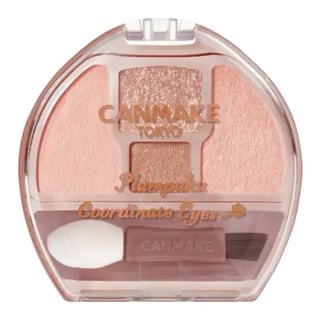 #1CanmakePlumpuku Coordinate
 -
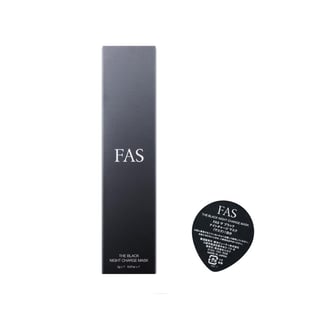 #2FASThe Black Night Charge Mask
 -
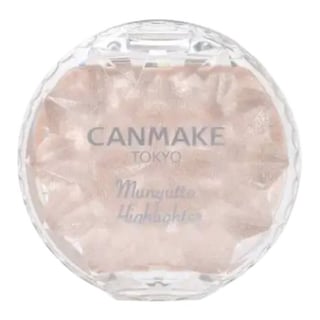 #3CanmakeMunyutto Highlighter
 -
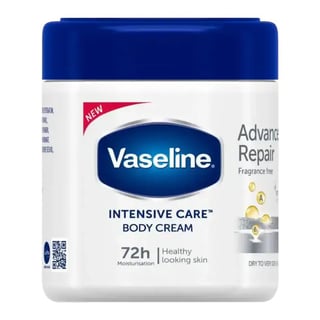 #4VaselineAdvanced Repair Fragrance Free Moisturising Body Cream
 -
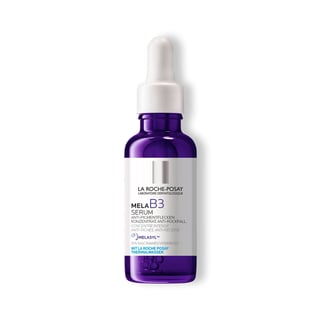 #5La Roche-PosayMela B3 Serum
 -
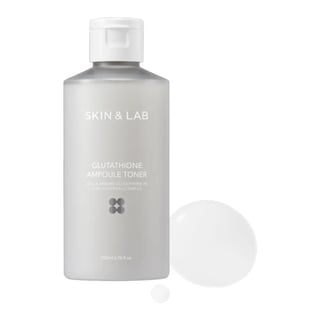 #6Skin&LabGlutathione Ampoule Toner
 -
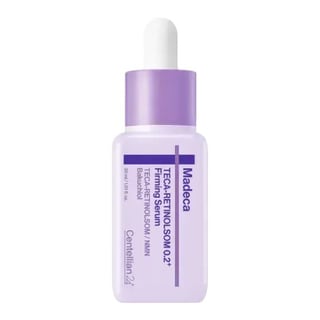 #7Centellian24Madeca Teca-Retinolsom 0.2+ Firming Serum
 -
 #8TirtirMask Fit AI Filter Cushion
 -
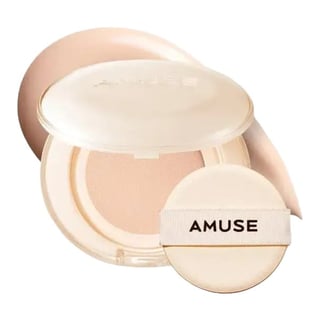 #9AMUSEDew Jelly Master Cushion
 -
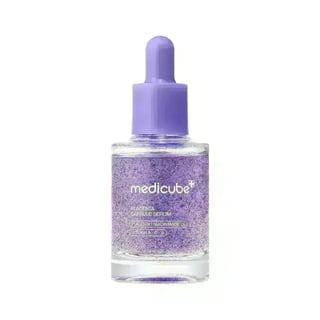 #10MediCubePlacenta Vita Serum
About Retinyl Palmitate
Retinyl Palmitate is an ester of retinol and palmitic acid.[1] It mixes better with oils than with water and may change in properties when exposed to light and oxygen, so formulation stability requires careful management. Light-blocking packaging and appropriate solubilization methods are preferable to reduce exposure to heat and air during storage. In cosmetics, it is used to leave the skin feeling soft and smooth.[3] In Europe, it may be used at up to 0.05% retinol equivalent in finished body lotions and up to 0.3% retinol equivalent in other rinse-off and leave-on products.[2]
Retinyl Palmitate Details
- Ingredient function
- Skin Conditioning
- Main product categories
- Moisturizing Cream, Anti-Aging Essence, Eye Cream
- INCI name
- RETINYL PALMITATE
- CosIng ID
- 37482
Retinyl Palmitate References
- 대한화장품협회 화장품성분사전 · 성분코드 5493
- European Union · Annex III entry 376
- European Commission — CosIng · substanceId 37482
Last updated
This ingredient information is based on publicly available scientific literature, cosmetic ingredient databases, and regulatory sources from various countries. Usage restrictions, permitted concentrations, and labeling requirements may vary by country, region, and product type.
Ingredient preference is a reference metric based on user review data. It does not indicate the efficacy or safety of the ingredient itself.