Retinol
- Wrinkle Improvement
- Acne Care
- Scar Care Support
- Dark Spot Care
- Brightening
- Good for Oily Skin
- Pore Refining
- Skin Texture Improvement
- May Cause Irritation
- May Worsen Dry Skin
- May Worsen Redness
- May Cause Photosensitivity
- Pregnancy Caution
- Retinoid
Low data There is not yet enough product and review data to determine preference.
TOP 10 Retinol Products
-
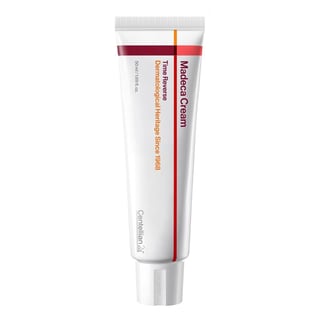 #1Centellian24Madeca Cream Time Reverse
 -
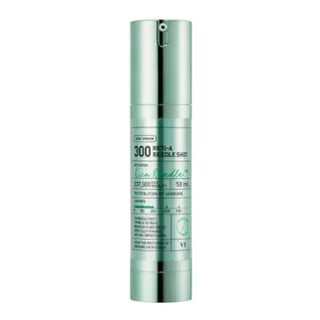 #2VT CosmeticsReti-A Reedle Shot 300
 -
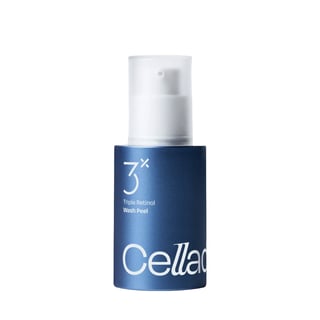 #3CelladixTriple Retinol Wash Peel
 -
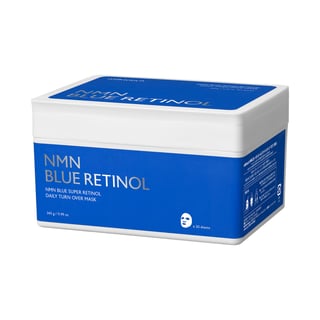 #4Milk TouchNMN Blue Super Retinol Daily Turnover Mask
 -
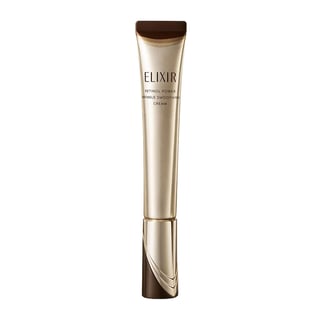 #5ElixirRetino Power Wrinkle Cream ba
 -
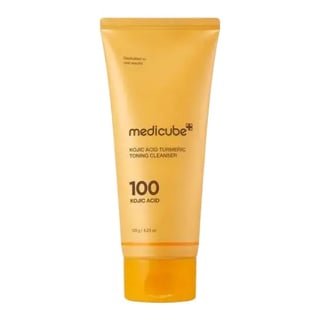 #6MediCubeKojic Acid Turmeric Toning Cleanser
 -
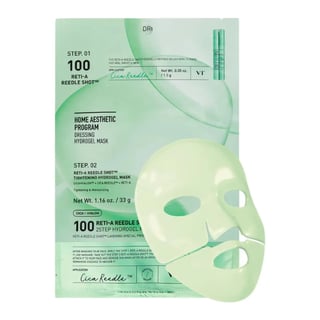 #7VT CosmeticsReti-A Reedle Shot 100 2 Step Hydrogel Mask
 -
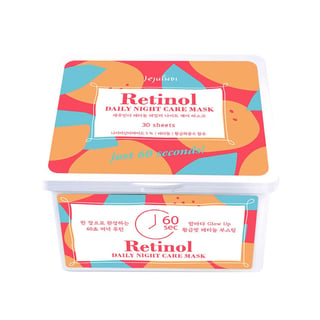 #8Jeju IndiRetinol Daily Night Care Mask
 -
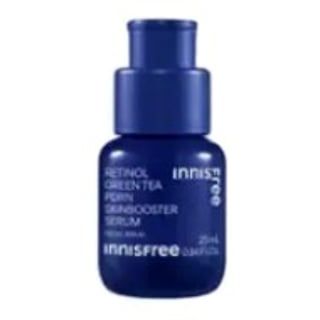 #9innisfreeRetinol Green Tea PDRN Firming Serum
 -
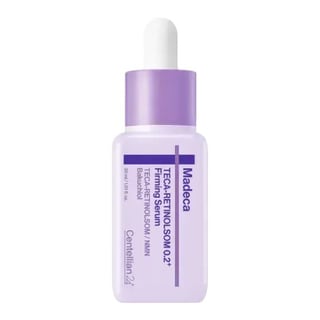 #10Centellian24Madeca Teca-Retinolsom 0.2+ Firming Serum
About Retinol
Retinol is an oil-soluble ingredient with a retinoid structure.[1] It mixes more readily with oil than water and may change when exposed to light and oxygen, so formulation stability should be carefully managed. Light-blocking packaging and an appropriate dissolution method can also help reduce exposure to heat and air during storage. In cosmetics, it is used to leave the skin surface feeling soft and smooth.[4] In Europe, finished cosmetic products may contain up to 0.05% retinol equivalent in body lotions and up to 0.3% retinol equivalent in other rinse-off and leave-on products.[2] It is described as a yellow crystal, so when used in solid form it is important to dissolve or disperse it evenly first to prevent clumping in the formulation.[3]
Retinol Details
- Ingredient function
- Skin Conditioning
- Main product categories
- Anti-Aging Essence, Anti-Aging Cream, Eye Cream
- INCI name
- RETINOL
- CosIng ID
- 37479
Retinol References
- 대한화장품협회 화장품성분사전 · 성분코드 5489
- European Union · Annex III entry 376
- CAMEO Chemicals · CID 445354
- European Commission — CosIng · substanceId 37479
Last updated
This ingredient information is based on publicly available scientific literature, cosmetic ingredient databases, and regulatory sources from various countries. Usage restrictions, permitted concentrations, and labeling requirements may vary by country, region, and product type.
Ingredient preference is a reference metric based on user review data. It does not indicate the efficacy or safety of the ingredient itself.