Pinus Pinaster Bark/Bud Extract
- Good for Oily Skin
- Antioxidant
Low data There is not yet enough product and review data to determine preference.
TOP 10 Pinus Pinaster Bark/Bud Extract Products
-
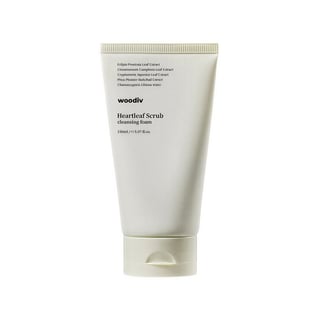 #1UdibeuHeartleaf Scrub Cleansing Foam
 -
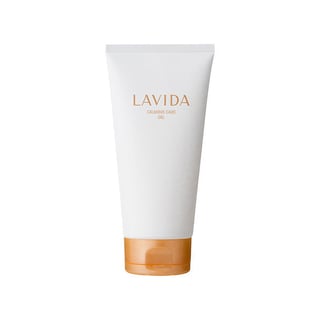 #2Lavida Health ProductsCalming Care Gel
 -
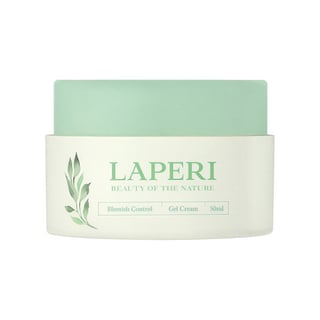 #3RaperiBlemish Control Gel Cream
 -
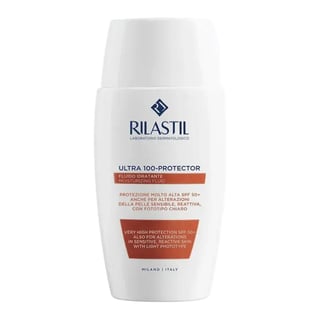 #4RilastilUltra 100 Protector SPF 50+
 -
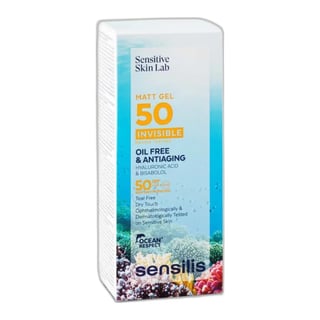 #5SensilisMatt Gel SPF 50 Invisible
 -
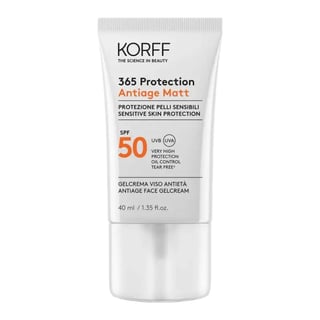 #6Korff365 Protection Antiage Matt Face Gelcream SPF 50
 -
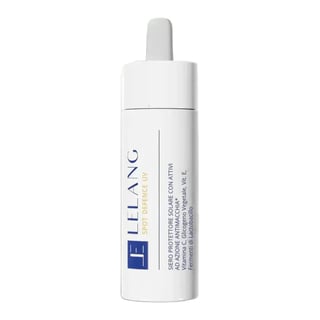 #7LeLangSpot Defence UV SPF 50
 -
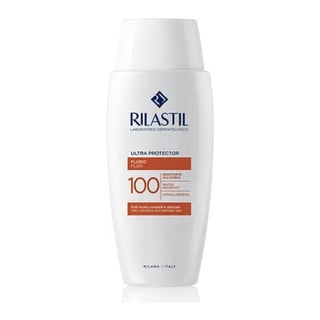 #8Rilastil365 Specifics Ultra Protector SPF 100
 -
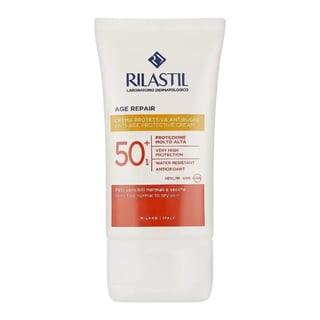 #9RilastilSun System Age Repair SPF 50+
 -
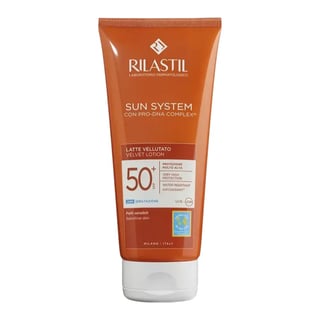 #10RilastilVelvet Milk SPF 50+
About Pinus Pinaster Bark/Bud Extract
Pinus Pinaster Bark/Bud Extract is an ingredient extracted from the bark and buds of Pinus pinaster.[1] In cosmetics, it is used to reduce the occurrence or visibility of dandruff on the scalp, inhibit the growth of microorganisms, and slow the oxidation of formulation ingredients caused by reaction with oxygen.[3] It is also used to help keep the teeth and mouth clean and fresh, leave the skin's surface feeling soft and smooth, and reduce changes to the product and formulation ingredients caused by ultraviolet radiation.[3] In Korea, oils and extracts from leaves and twigs cannot be used in cosmetics when the peroxide value exceeds 10 mmol/L.[2]
Pinus Pinaster Bark/Bud Extract Details
- Ingredient function
- Antidandruff, Antimicrobial, Antioxidant, Oral Care, Skin Conditioning, UV Absorber
- Main product categories
- Sunscreen, Anti-Aging Essence, Soothing Cream
- INCI name
- PINUS PINASTER BARK/BUD EXTRACT
- CosIng ID
- 59490
Pinus Pinaster Bark/Bud Extract References
- 대한화장품협회 화장품성분사전 · 성분코드 3188
- 법제처 — 화장품 안전기준 등에 관한 규정 (식약처 고시 제2026-19호) · 과산화물가가 10mmol/L을 초과하는 Pinus pinaste 잎과 잔가지의 오일 및추출물
- European Commission — CosIng · substanceId 59490
Last updated
This ingredient information is based on publicly available scientific literature, cosmetic ingredient databases, and regulatory sources from various countries. Usage restrictions, permitted concentrations, and labeling requirements may vary by country, region, and product type.
Ingredient preference is a reference metric based on user review data. It does not indicate the efficacy or safety of the ingredient itself.