Pinus Koraiensis Seed Oil
- May Cause Irritation
- May Worsen Redness
- May Worsen Malassezia Folliculitis
- Oil
- Essential Oil
Not rated A basic ingredient widely used in most products, such as purified water, or one that is not suitable for star-rating-based preference analysis.
TOP 10 Pinus Koraiensis Seed Oil Products
-
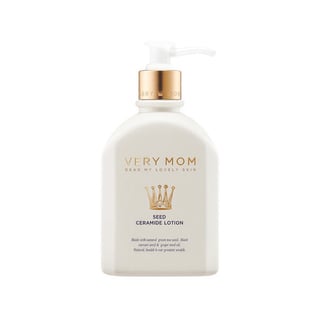 #1Very MomSeed Ceramide Lotion
 -
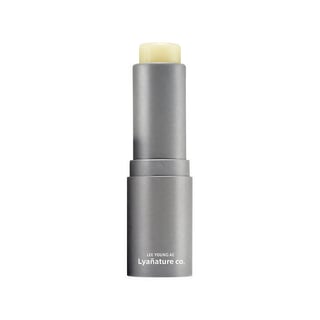 #2LYA NatureMulti Stick Balm
 -
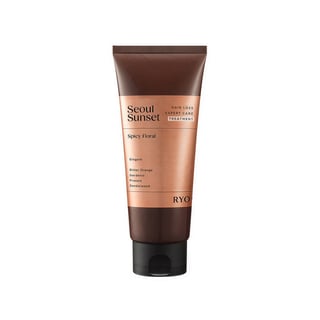 #3RYOJayangyunmo Hair Loss Symptom Care Treatment Seoul Sunset
 -
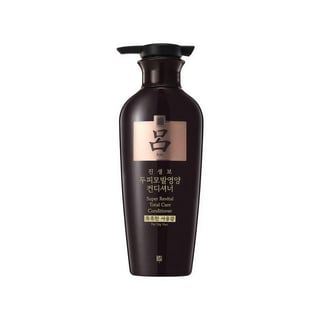 #4RYOJin Saeng Bo Scalp And Hair Nourishing Conditioner
 -
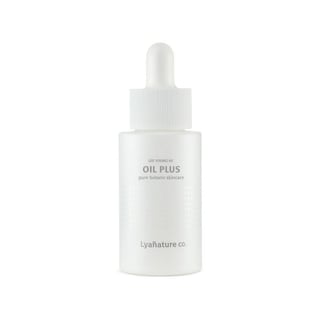 #5LYA NatureOil Plus Face Oil
 -
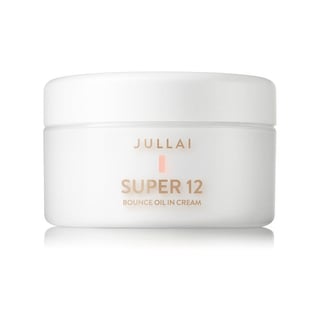 #6JullaiSuper 12 Bounce Oil-In Cream
 -
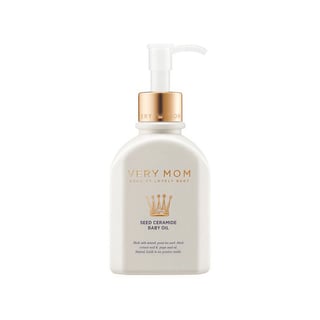 #7Very MomSeed Ceramide Oil
 -
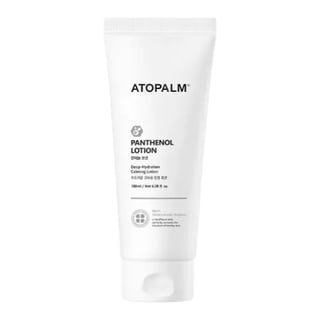 #8ATOPALMPanthenol Lotion
 -
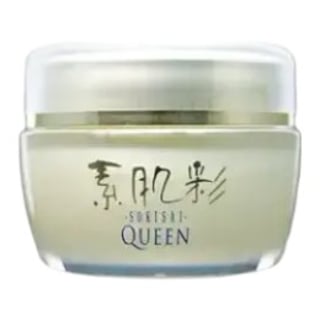 #9SokisaiQueen Cream
 -
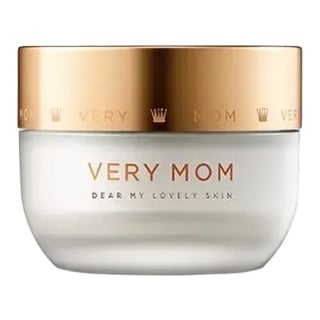 #10Very MomSeed Ceramide Cream
About Pinus Koraiensis Seed Oil
Pinus Koraiensis Seed Oil is a fixed oil extracted from the seeds of Pinus koraiensis.[1] Because it is primarily composed of fatty components obtained from the seeds, it mixes better with oils than with water and is suitable for adding slip and a soft, emollient feel to skin or hair while reducing the feeling of moisture evaporating quickly. In cosmetics, it is used to add fragrance to products or adjust the characteristic odor of raw materials, and to leave the skin surface feeling soft and smooth.[3] In Korea, oils and extracts from leaves and young branches cannot be used in cosmetics when their peroxide value exceeds 10 mmol/L.[2]
Pinus Koraiensis Seed Oil Details
- Ingredient function
- Perfuming, Skin Conditioning
- Main product categories
- Moisturizing Cream, Baby Body Lotion / Cream, Cleansing Oil
- INCI name
- PINUS KORAIENSIS SEED OIL
- CosIng ID
- 59485
Pinus Koraiensis Seed Oil References
- 대한화장품협회 화장품성분사전 · 성분코드 4845
- 법제처 — 화장품 안전기준 등에 관한 규정 (식약처 고시 제2026-19호) · 과산화물가가 10mmol/L을 초과하는 Pinus species잎과 잔가지의 오일 및추출물
- European Commission — CosIng · substanceId 59485
Last updated
This ingredient information is based on publicly available scientific literature, cosmetic ingredient databases, and regulatory sources from various countries. Usage restrictions, permitted concentrations, and labeling requirements may vary by country, region, and product type.
Ingredient preference is a reference metric based on user review data. It does not indicate the efficacy or safety of the ingredient itself.