Picea Mariana Leaf Oil
- May Cause Irritation
- May Worsen Redness
- Fragrance
- Oil
- Essential Oil
Not rated A basic ingredient widely used in most products, such as purified water, or one that is not suitable for star-rating-based preference analysis.
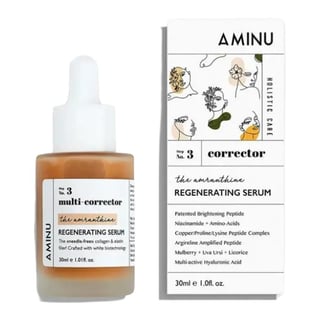
TOP 5 Picea Mariana Leaf Oil Products
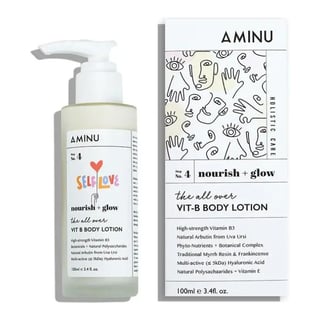
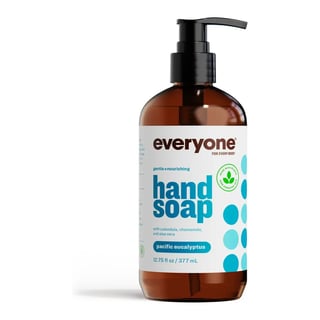
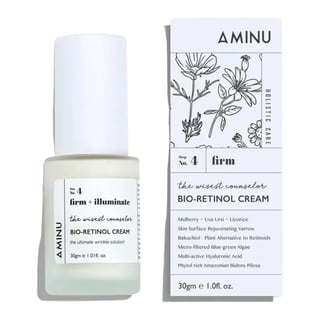
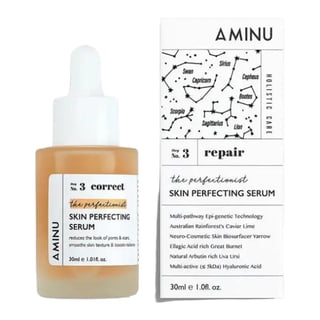
About Picea Mariana Leaf Oil
Picea Mariana Leaf Oil is a volatile oil obtained from the leaves of Picea Mariana.[1] The volatile components obtained from the leaves contribute to the first impression of the scent and the lingering fragrance after application, and tend to evaporate more quickly than ordinary plant oils. In cosmetics, it is used to prevent the ingredient’s characteristic odor or taste from becoming overly pronounced, to add fragrance to products, and to adjust the characteristic odor of ingredients.[4] In Korea, oils and extracts from leaves with a peroxide value exceeding 10 mmol/L cannot be used in cosmetics.[2] In Europe, only ingredients with a peroxide value below 10 mmol/L may be used.[3]
Picea Mariana Leaf Oil Details
- Ingredient function
- Masking, Perfuming
- Main product categories
- Brightening Essence, Anti-Aging Cream, Anti-Aging Essence
- INCI name
- PICEA MARIANA LEAF OIL
- CosIng ID
- 82448
Picea Mariana Leaf Oil References
- 대한화장품협회 화장품성분사전 · 성분코드 4578
- 법제처 — 화장품 안전기준 등에 관한 규정 (식약처 고시 제2026-19호) · 과산화물가가 10mmol/L을 초과하는 Picea mariana잎의 오일 및 추출물
- European Union · Annex III entry 118
- European Commission — CosIng · substanceId 82448
Last updated
This ingredient information is based on publicly available scientific literature, cosmetic ingredient databases, and regulatory sources from various countries. Usage restrictions, permitted concentrations, and labeling requirements may vary by country, region, and product type.
Ingredient preference is a reference metric based on user review data. It does not indicate the efficacy or safety of the ingredient itself.