PEG/PPG-20/23 Dimethicone
- Silicone
- Hair Conditioning
- Surfactant
Not rated A basic ingredient widely used in most products, such as purified water, or one that is not suitable for star-rating-based preference analysis.
TOP 5 PEG/PPG-20/23 Dimethicone Products
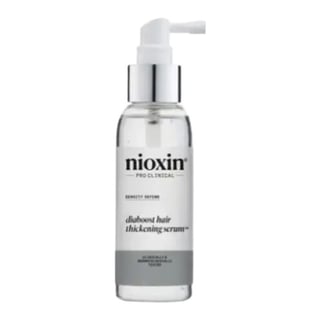
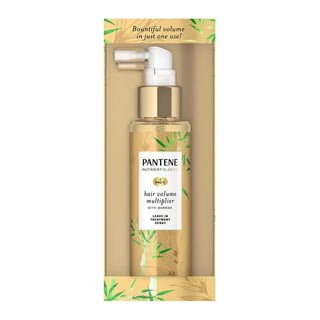
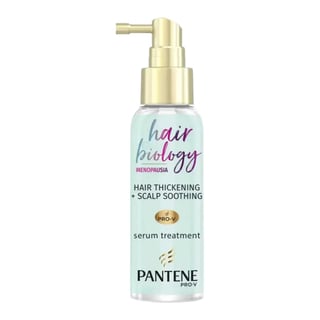
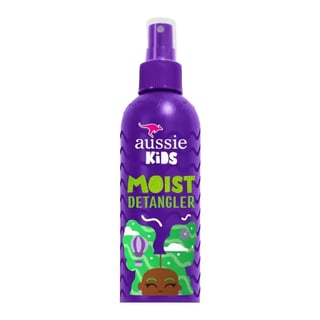
About PEG/PPG-20/23 Dimethicone
PEG/PPG-20/23 Dimethicone is an alkoxylated derivative of dimethicone composed of an average of 20 moles of ethylene oxide and 23 moles of propylene oxide.[1] The number 20 after PPG indicates the average number of linked propylene oxide units; depending on this number and the type of fatty component attached, the degree of mixing with oil and the application feel vary. In cosmetics, it is used to help keep emulsified water-and-oil formulas from separating easily, to reduce hair tangling and roughness for smooth conditioning, and to leave the skin surface feeling soft and smooth.[2] It is also used to lower surface tension so ingredients can wet, mix, and spread evenly.[2]
PEG/PPG-20/23 Dimethicone Details
- Ingredient function
- Emulsion Stabilising, Hair Conditioning, Skin Conditioning, Surfactant
- Main product categories
- Hair Essence/Serum, Hair Tonic, Leave-In Treatment
- INCI name
- PEG/PPG-20/23 DIMETHICONE
- CosIng ID
- 57133
PEG/PPG-20/23 Dimethicone References
Last updated
This ingredient information is based on publicly available scientific literature, cosmetic ingredient databases, and regulatory sources from various countries. Usage restrictions, permitted concentrations, and labeling requirements may vary by country, region, and product type.
Ingredient preference is a reference metric based on user review data. It does not indicate the efficacy or safety of the ingredient itself.