PEG-15/Lauryl Dimethicone Crosspolymer
- Silicone
Not rated A basic ingredient widely used in most products, such as purified water, or one that is not suitable for star-rating-based preference analysis.
TOP 10 PEG-15/Lauryl Dimethicone Crosspolymer Products
-
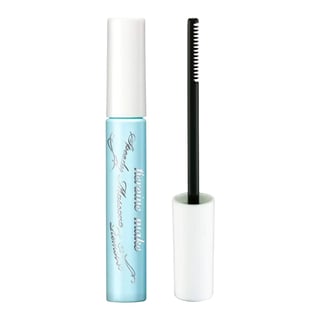 #1ISEHANKiss Me Heroine Make Speedy Mascara Remover
 -
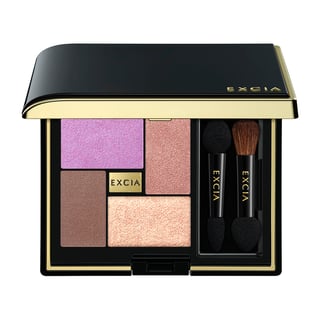 #2EXCIAEye Color Volonté
 -
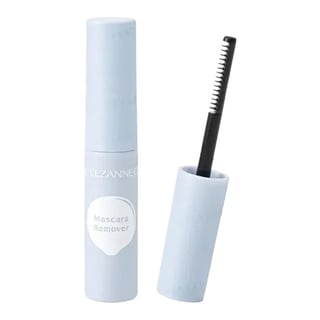 #3CezanneMascara Remover
 -
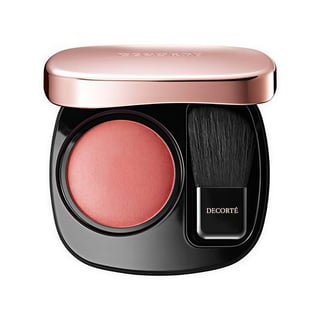 #4DecortePowder Blush
 -
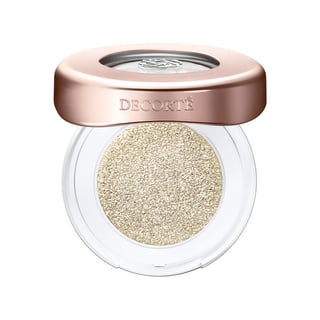 #5DecorteDazzling Gem Eye Color
 -
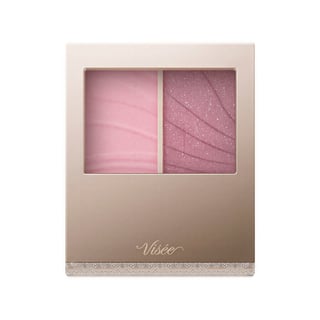 #6ViséeLayered Fleuri Cheek
 -
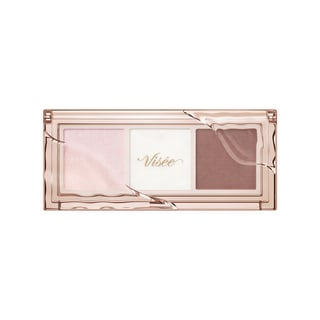 #7ViséeKiller Eye Trio
 -
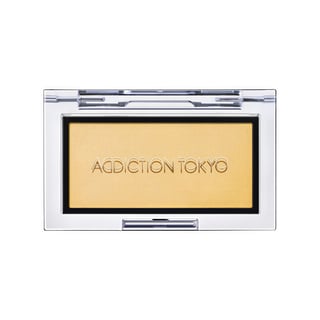 #8Addiction TokyoThe Blush Matte
 -
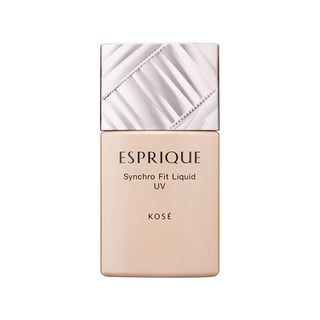 #9ESPRIQUESynchro Fit Liquid UV Foundation
 -
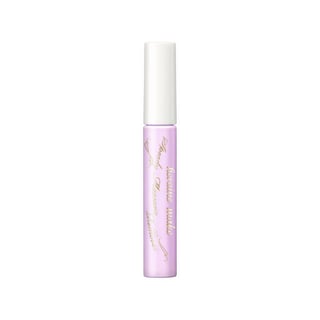 #10Heroine MakeSpeedy Mascara Remover
About PEG-15/Lauryl Dimethicone Crosspolymer
PEG-15/Lauryl Dimethicone Crosspolymer is a copolymer of lauryl dimethicone crosslinked with diallyl PEG-15.[1] The number 15 in the name indicates the average number of ethylene oxide units added; within the same base structure, changes in this number may affect water miscibility and the formulation’s viscosity and spreadability. In cosmetics, it is used to help keep a formulation’s state and properties from changing easily during storage and to control its viscosity and flow.[3] In Europe, diethylene glycol remaining as an impurity in the raw material must be controlled at 0.1% or below.[2]
PEG-15/Lauryl Dimethicone Crosspolymer Details
- Ingredient function
- Stabilising, Viscosity Controlling
- Main product categories
- Powder Blush, Point Remover, Brightening Cream
- INCI name
- PEG-15/LAURYL DIMETHICONE CROSSPOLYMER
- CosIng ID
- 57573
PEG-15/Lauryl Dimethicone Crosspolymer References
- 대한화장품협회 화장품성분사전 · 성분코드 4208
- European Union · Annex III entry 186
- European Commission — CosIng · substanceId 57573
Last updated
This ingredient information is based on publicly available scientific literature, cosmetic ingredient databases, and regulatory sources from various countries. Usage restrictions, permitted concentrations, and labeling requirements may vary by country, region, and product type.
Ingredient preference is a reference metric based on user review data. It does not indicate the efficacy or safety of the ingredient itself.