Octocrylene
- May Harm Coral Reefs
- May Cause Irritation
- May Worsen Eczema
- Chemical UV Filter
- UV Protection
Low data There is not yet enough product and review data to determine preference.
TOP 10 Octocrylene Products
-
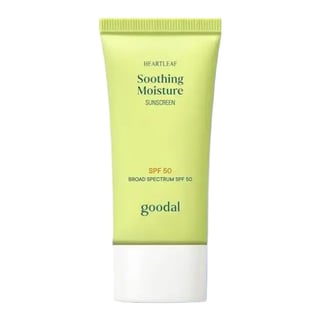 #1GoodalHeartleaf Soothing Moisture Sunscreen SPF 50
 -
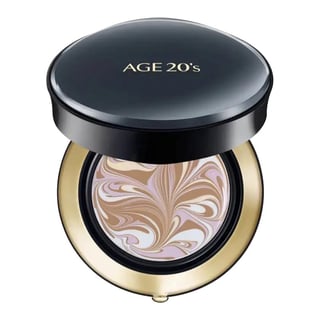 #2Age20'sSignature Essence Cover Pact SPF 50+
 -
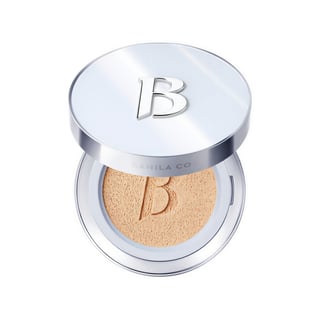 #3Banila CoCovericious Ultimate White Cushion Air SPF50+ PA++++
 -
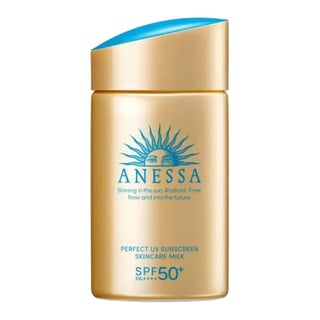 #4AnessaPerfect UV Sunscreen Skincare Milk SPF 50+
 -
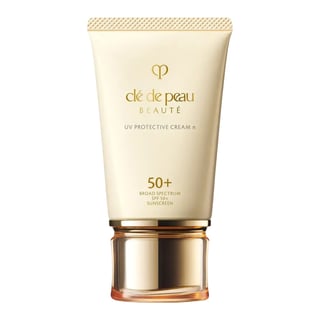 #5Clé de Peau BeautéUV Protective Cream SPF 50+
 -
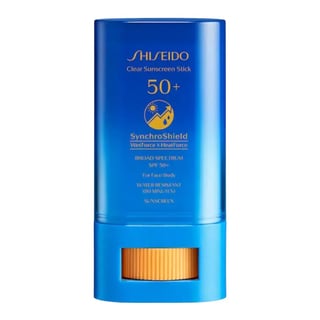 #6ShiseidoShiseido Clear Sunscreen Stick SPF50+
 -
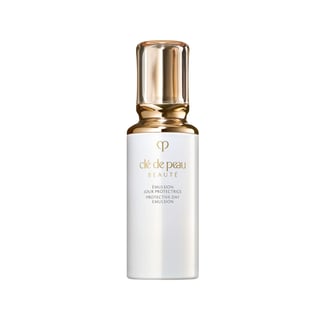 #7Clé de Peau BeautéProtective Day Emulsion
 -
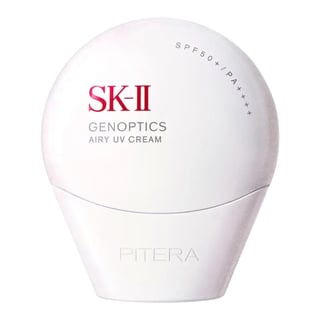 #8SK-IIGenoptics Airy UV Cream SPF 50+ PA ++++
 -
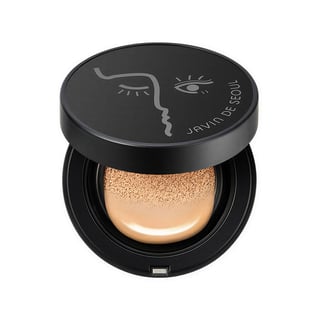 #9Javin De SeoulWink Foundation Pact [SPF50+/PA+++]
 -
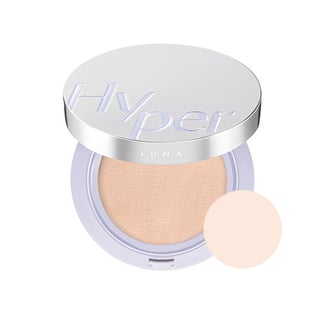 #10LunaHyper Fit Filter Cushion
About Octocrylene
Octocrylene is a substituted acrylate.[1] It has a structure that absorbs specific wavelengths of ultraviolet radiation and converts them into another form of energy. Within permitted product types and concentrations, it is used to reduce the amount of ultraviolet radiation that reaches the skin. In cosmetics, it is used to help reduce changes to the product and formula ingredients caused by ultraviolet radiation, and to absorb or reflect ultraviolet radiation to reduce the amount reaching the skin.[4] In Europe, when used as a UV-filtering ingredient, it may be used at up to 9% in gas-propelled products and up to 10% in other products.[2] It is described as a yellow, viscous liquid, so the order and temperature for mixing it with other liquid raw materials can affect the uniformity of the finished product.[3]
Octocrylene Details
- Ingredient function
- UV Absorber, UV Filter
- Main product categories
- Sunscreen, Sun Spray, Moisturizing Cream
- INCI name
- OCTOCRYLENE
- CosIng ID
- 35585
Octocrylene References
- 대한화장품협회 화장품성분사전 · 성분코드 2214
- European Union · Annex VI entry 10
- CAMEO Chemicals · CID 22571
- European Commission — CosIng · substanceId 35585
Last updated
This ingredient information is based on publicly available scientific literature, cosmetic ingredient databases, and regulatory sources from various countries. Usage restrictions, permitted concentrations, and labeling requirements may vary by country, region, and product type.
Ingredient preference is a reference metric based on user review data. It does not indicate the efficacy or safety of the ingredient itself.