Methyl 2-Octynoate
- May Worsen Eczema
- May Cause Irritation
- May Worsen Redness
- May Irritate Lips
- EU Listed Allergen
- Fragrance
- Synthetic Fragrance
Not rated A basic ingredient widely used in most products, such as purified water, or one that is not suitable for star-rating-based preference analysis.
TOP 10 Methyl 2-Octynoate Products
-
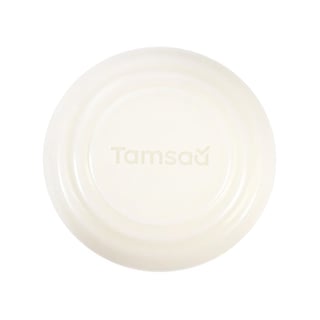 #1TamsaMoisture Goat Milk Soap White
 -
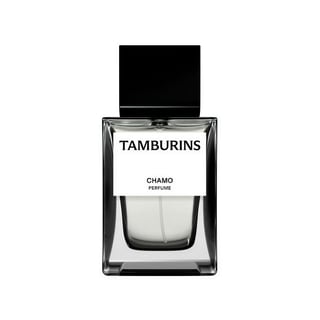 #2TamburinsPerfume
 -
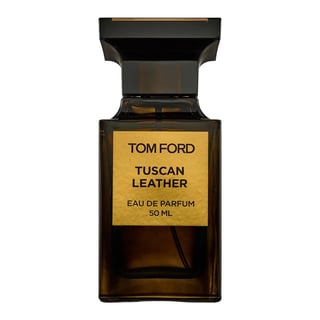 #3Tom FordTuscan Leather Eau de Parfum
 -
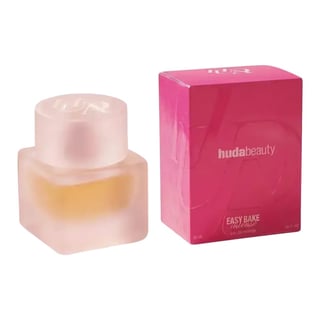 #4Huda BeautyEasy Bake Intense Eau De Parfum
 -
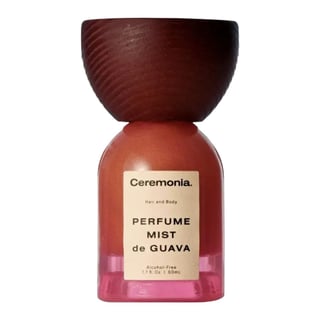 #5CeremoniaPerfume Mist De Guava
 -
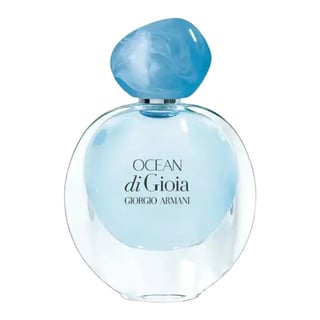 #6Armani BeautyOcean di Gioia Eau de Parfum
 -
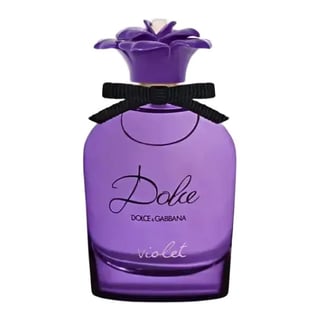 #7Dolce & GabbanaDolce Violet Eau De Toilette
 -
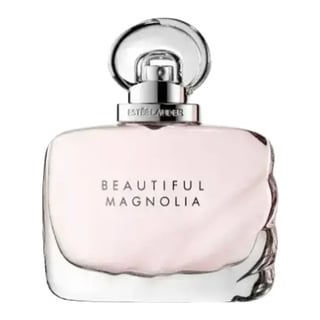 #8Estée LauderBeautiful Magnolia Eau De Parfum
 -
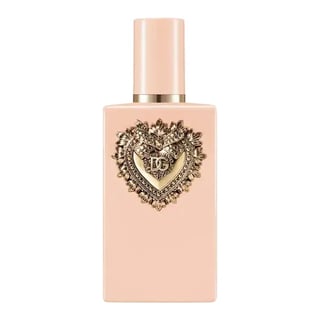 #9Dolce & GabbanaMy Devotion Eau De Parfum Intense
 -
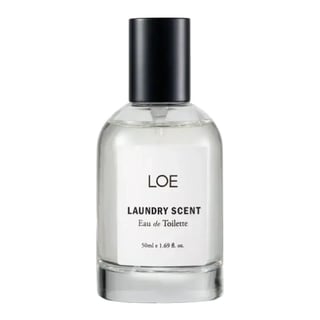 #10LOELaundry Scent Eau De Toilette
About Methyl 2-Octynoate
Methyl 2-Octynoate is an ester made by combining parts derived from an acid and an alcohol.[1] In cosmetics, it is used to add fragrance to products or adjust the characteristic odor of raw materials.[4] In South Korea, it may be used at up to 0.01%. When formulated with Methyl Octine Carbonate, the combined amount of both ingredients must not exceed 0.01% in the finished product, and Methyl Octine Carbonate may not exceed 0.002%.[2] In Europe, the ingredient name must be declared when used at more than 0.001% in leave-on products or 0.01% in rinse-off products.[3]
Methyl 2-Octynoate Details
- Ingredient function
- Perfuming
- Main product categories
- Perfume, Body Lotion, Body Mist
- INCI name
- METHYL 2-OCTYNOATE
- CosIng ID
- 40692
Methyl 2-Octynoate References
- 대한화장품협회 화장품성분사전 · 성분코드 203
- 법제처 — 화장품 안전기준 등에 관한 규정 (식약처 고시 제2026-19호) · 메칠 2-옥티노에이트 (메칠헵틴카보네이트)
- European Union · Annex III entry 89
- European Commission — CosIng · substanceId 40692
Last updated
This ingredient information is based on publicly available scientific literature, cosmetic ingredient databases, and regulatory sources from various countries. Usage restrictions, permitted concentrations, and labeling requirements may vary by country, region, and product type.
Ingredient preference is a reference metric based on user review data. It does not indicate the efficacy or safety of the ingredient itself.