Leuconostoc/Radish Root Ferment Lysate Filtrate
- Hair Conditioning
Low data There is not yet enough product and review data to determine preference.
TOP 10 Leuconostoc/Radish Root Ferment Lysate Filtrate Products
-
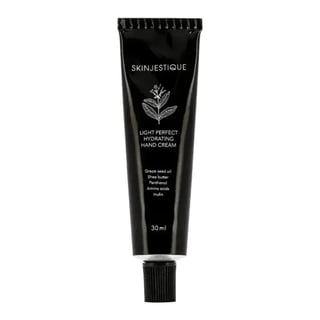 #1SkinJestiqueLight Perfect Hydrating Cream
 -
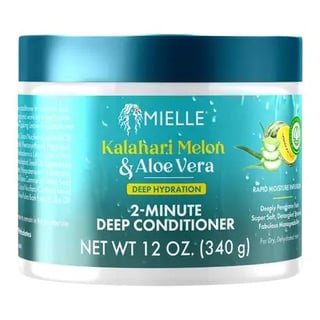 #2Mielle OrganicsKalahari Melon & Aloe Vera Deep Hydration 2-Minute Deep Conditioner
 -
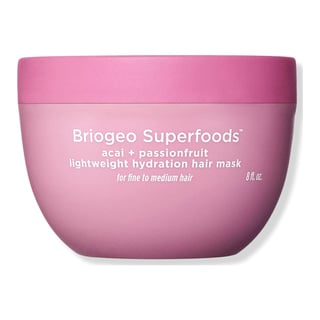 #3BrioGeoSuperfoods Acai + Passionfruit Lightweight Hydration Hair Mask
 -
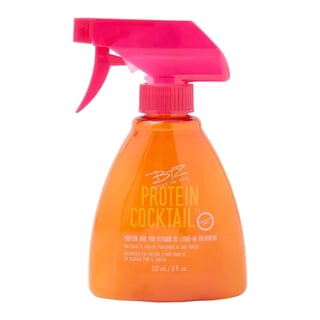 #4Beyond The ZoneProtein Cocktail Leave In Treatment
 -
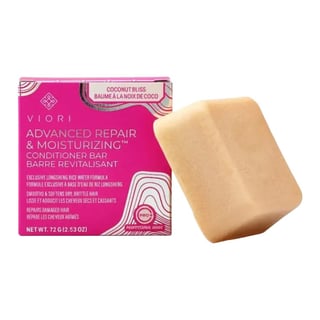 #5VioriCoconut Bliss Advanced Repair & Moisturizing Conditioner Bar
 -
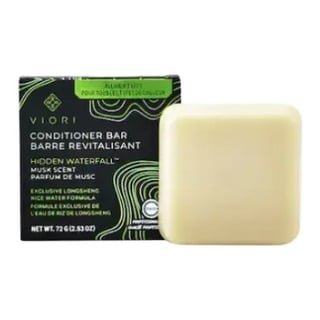 #6VioriRice Water Infused Conditioner Bar
 -
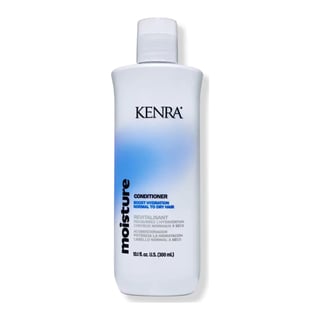 #7KenraMoisture Conditioner
 -
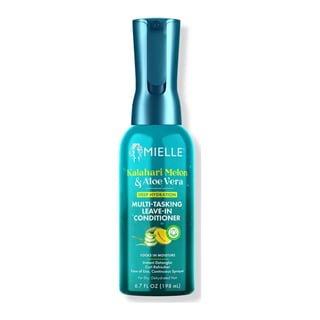 #8Mielle OrganicsKalahari Melon & Aloe Vera Deep Hydration Multi-Tasking Leave-In Conditioner
 -
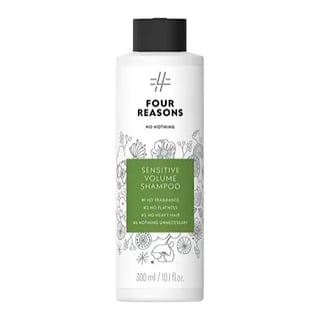 #9Four ReasonsNo Nothing Sensitive Volume Shampoo
 -
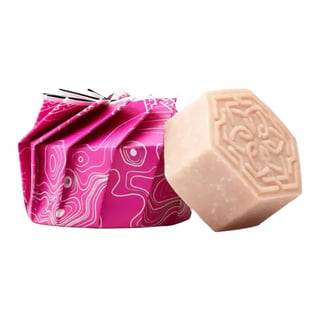 #10VioriCoconut Bliss Advanced Repair & Moisturizing Shampoo Bar
About Leuconostoc/Radish Root Ferment Lysate Filtrate
Leuconostoc/Radish Root Ferment Lysate Filtrate is a lysate in which the cellular components of the ferment are also broken down.[1] During fermentation of Leuconostoc/Radish Root Ferment Lysate, the raw material may break down into smaller components and microbial metabolites may be added; the amount of solids remaining and the sensory feel vary according to the degree of filtration. In cosmetics, it is used to reduce tangling and rough feel in hair to leave it smooth and manageable, and to leave the skin surface feeling soft and smooth.[1]
Leuconostoc/Radish Root Ferment Lysate Filtrate Details
- Ingredient function
- Hair Conditioning, Skin Conditioning
- Main product categories
- Brightening Essence, Eyelash Serum, Hair Mask/Pack
- INCI name
- LEUCONOSTOC/RADISH ROOT FERMENT LYSATE FILTRATE
- CosIng ID
- 94905
Leuconostoc/Radish Root Ferment Lysate Filtrate References
Last updated
This ingredient information is based on publicly available scientific literature, cosmetic ingredient databases, and regulatory sources from various countries. Usage restrictions, permitted concentrations, and labeling requirements may vary by country, region, and product type.
Ingredient preference is a reference metric based on user review data. It does not indicate the efficacy or safety of the ingredient itself.