Hydroxyisohexyl 3-Cyclohexene Carboxaldehyde
- May Worsen Eczema
- May Irritate Lips
- May Cause Irritation
- May Worsen Redness
- EU Listed Allergen
- Fragrance
- Synthetic Fragrance
Not rated A basic ingredient widely used in most products, such as purified water, or one that is not suitable for star-rating-based preference analysis.
TOP 10 Hydroxyisohexyl 3-Cyclohexene Carboxaldehyde Products
-
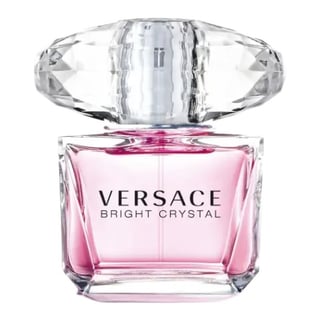 #1VersaceBright Crystal Eau de Toilette
 -
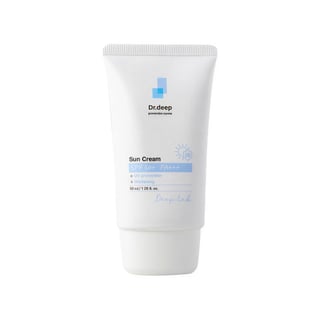 #2Dr.DeepSunscreen [SPF50+/PA+++]
 -
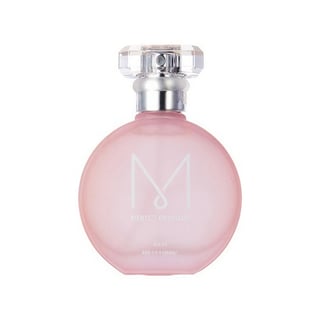 #3Meblik PerfumeKera Eau de Parfum
 -
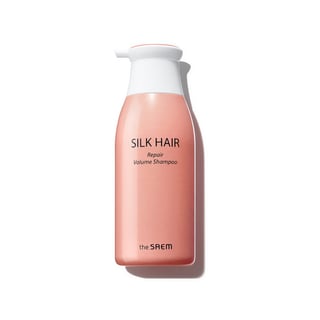 #4The SaemSilk Hair Repair Volume Shampoo
 -
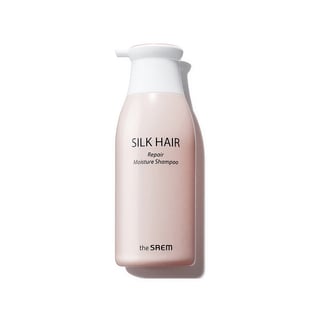 #5The SaemSilk Hair Repair Moisture Shampoo
 -
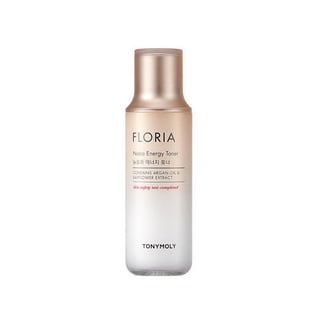 #6TONYMOLYFloria Nutra Energy Toner
 -
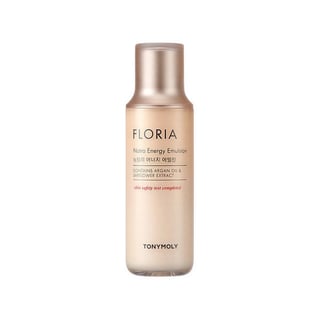 #7TONYMOLYFloria Nutra Energy Emulsion
 -
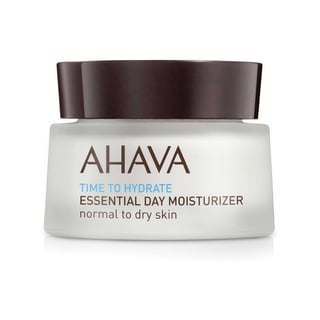 #8AHAVAEssential Day Moisture Cream
 -
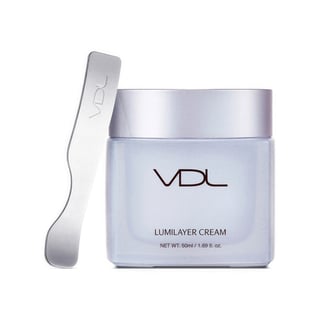 #9VDL CosmeticsLumilayer Cream
 -
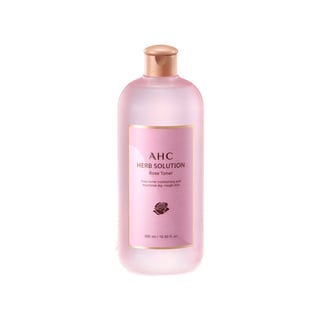 #10AHC BeautyHerb Solution Rose Toner
About Hydroxyisohexyl 3-Cyclohexene Carboxaldehyde
Hydroxyisohexyl 3-cyclohexene carboxaldehyde is an organic compound containing a hydroxyl group.[1] In cosmetics, it is used to prevent the characteristic smell or taste of raw materials from becoming too prominent and to add fragrance to a product or adjust the characteristic smell of raw materials.[1] In Korea, it is classified as an ingredient that cannot be used in cosmetics.[2] It cannot be used in cosmetics in Europe.[3]
Hydroxyisohexyl 3-Cyclohexene Carboxaldehyde Details
- Ingredient function
- Masking, Perfuming
- Main product categories
- Moisturizing Cream, Hair Wax/Gel, Perfume
- INCI name
- HYDROXYISOHEXYL 3-CYCLOHEXENE CARBOXALDEHYDE
- CosIng ID
- 41531
Hydroxyisohexyl 3-Cyclohexene Carboxaldehyde References
- European Commission — CosIng · substanceId 41531
- 법제처 — 화장품 안전기준 등에 관한 규정 (식약처 고시 제2026-19호) · 하이드록시아이소헥실 3-사이클로헥센카보스알데히드(HICC)
- European Union · Annex II entry 1380
Last updated
This ingredient information is based on publicly available scientific literature, cosmetic ingredient databases, and regulatory sources from various countries. Usage restrictions, permitted concentrations, and labeling requirements may vary by country, region, and product type.
Ingredient preference is a reference metric based on user review data. It does not indicate the efficacy or safety of the ingredient itself.