Glycerin
- Hydration
- Skin Barrier Repair
- Scar Care Support
- Hair Conditioning
Not rated A basic ingredient widely used in most products, such as purified water, or one that is not suitable for star-rating-based preference analysis.
TOP 10 Glycerin Products
-
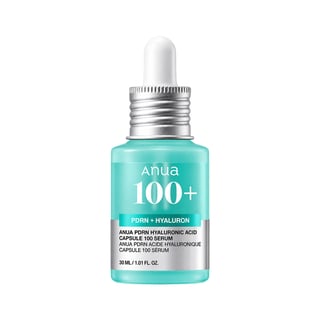 #1AnuaPDRN Hyaluronic Capsule 100 Serum
 -
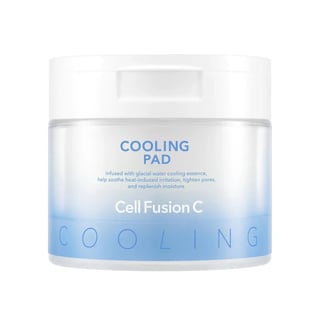 #2Cell Fusion CCooling Pad
 -
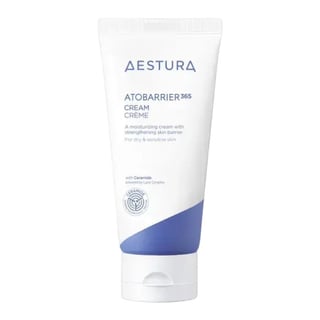 #3AesturaAtobarrier 365 Cream
 -
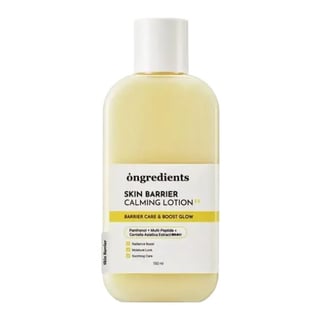 #4ongredientsSkin Barrier Calming Lotion EX
 -
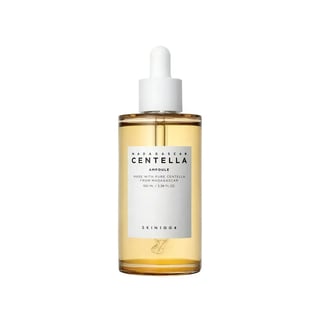 #5SKIN1004Madagascar Centella Ampoule
 -
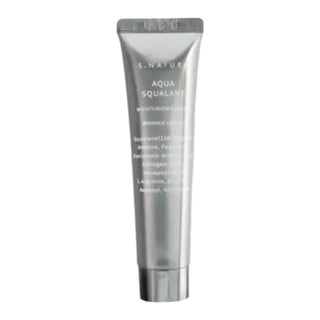 #6S.NATUREAqua Squalane Moisturizing Cream
 -
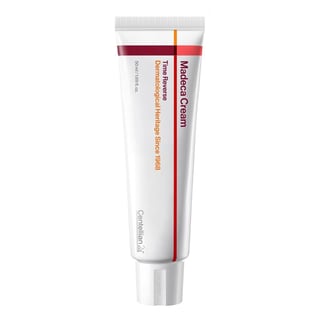 #7Centellian24Madeca Cream Time Reverse
 -
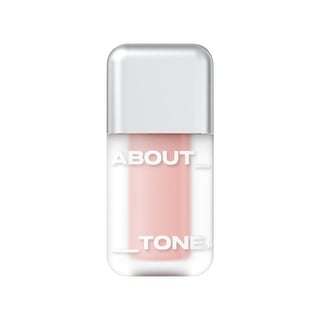 #8About ToneSkin Layer Fit Blusher
 -
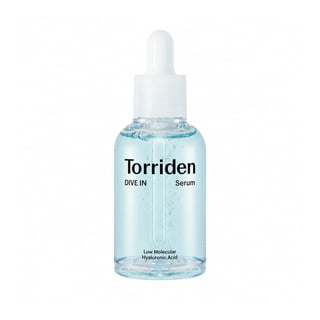 #9TorridenDive-In Low-Molecular Hyaluronic Acid Serum
 -
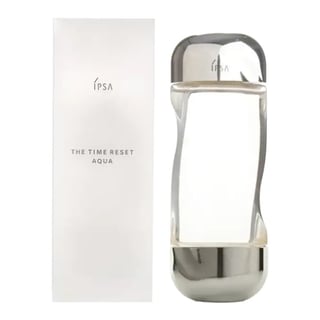 #10IPSAThe Time Reset Aqua Lotion
About Glycerin
Glycerin is a polyhydric alcohol.[1] In cosmetics, it is used to alter an ingredient’s taste or odor so it is less difficult to consume, smooth and detangle hair by reducing tangling and rough feel, and attract moisture to the formulation and skin surface to help maintain hydration.[3] It is also used to keep the teeth and mouth clean and comfortable, add fragrance to a product or adjust an ingredient’s characteristic odor, and leave the skin surface feeling soft and smooth.[3] It is used to help protect the skin from external factors, dissolve other ingredients to create a uniform formulation, and adjust the formulation’s viscosity and flow.[3] It is described as a colorless liquid, so the order and temperature used when mixing it with other liquid ingredients affect the uniformity of the finished product.[2]
Glycerin Details
- Ingredient function
- Denaturant, Hair Conditioning, Humectant, Oral Care, Perfuming, Skin Conditioning, Skin Protecting, Solvent, Viscosity Controlling
- Main product categories
- Moisturizing Cream, Cleansing Foam, Sunscreen
- INCI name
- GLYCERIN
- CosIng ID
- 34040
Glycerin References
- 대한화장품협회 화장품성분사전 · 성분코드 1013
- CAMEO Chemicals · CID 753
- European Commission — CosIng · substanceId 34040
Last updated
This ingredient information is based on publicly available scientific literature, cosmetic ingredient databases, and regulatory sources from various countries. Usage restrictions, permitted concentrations, and labeling requirements may vary by country, region, and product type.
Ingredient preference is a reference metric based on user review data. It does not indicate the efficacy or safety of the ingredient itself.