Drometrizole Trisiloxane
- Chemical UV Filter
- UV Protection
- Silicone
Low data There is not yet enough product and review data to determine preference.
TOP 10 Drometrizole Trisiloxane Products
-
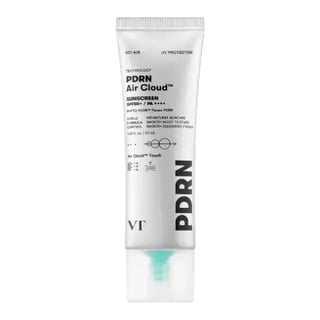 #1VT CosmeticsPDRN Air Cloud Sunscreen SPF 50+
 -
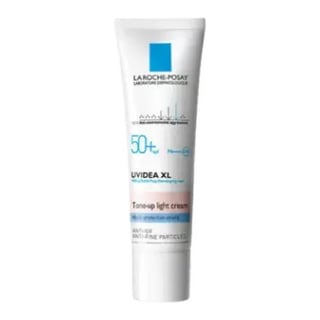 #2La Roche-PosayUvidea Anthelios Tone-Up Rosy SPF50+
 -
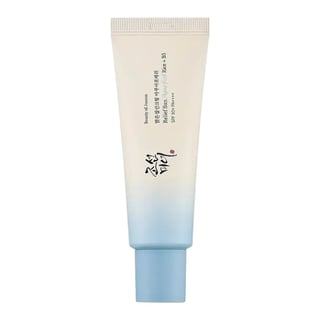 #3Beauty of JoseonRelief Sun Aqua-Fresh Rice + B5 SPF 50+
 -
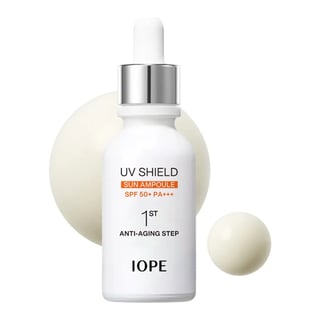 #4IopeUV Shield Sun Ampoule SPF 50+
 -
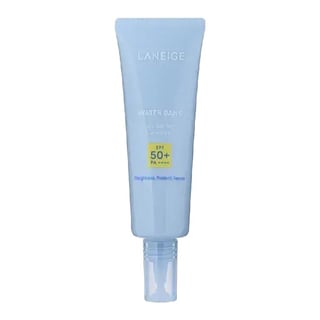 #5LaneigeWater Bank UV Barrier Sunscreen SPF 50+
 -
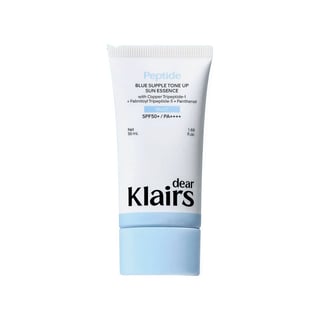 #6Dear, KlairsBlue Supple Tone Up Sun Essence [SPF50+/PA++++]
 -
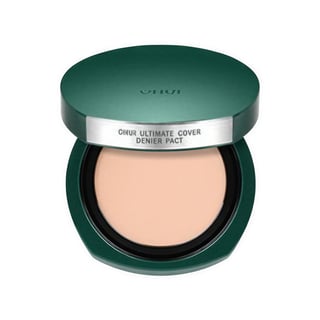 #7O HuiUltimate Cover Denier Pact SPF 50+/PA+++
 -
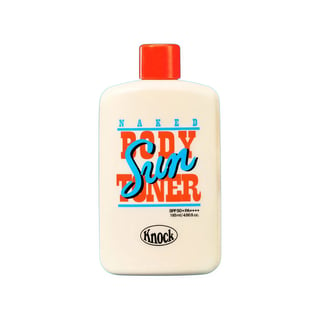 #8KnockNaked Body Sun Toner [SPF50+/PA++++]
 -
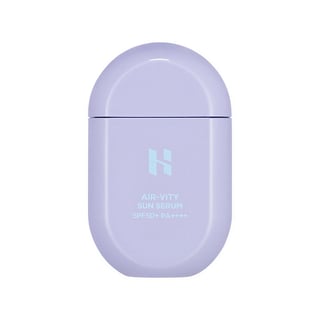 #9Holika HolikaAir BT Sun Serum [SPF50+/PA++++]
 -
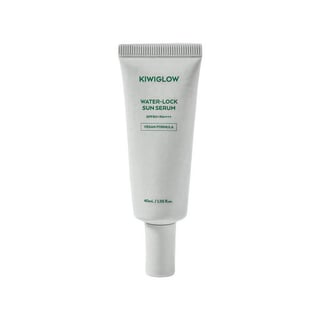 #10KiwiglowWaterlock Sun Serum SPF50+ PA++++
About Drometrizole Trisiloxane
Drometrizole Trisiloxane is a heterocyclic compound with the following structure.[1] It has a structure that absorbs ultraviolet radiation at specific wavelengths and converts it into other energy, and is used within permitted product types and concentrations to reduce the amount of ultraviolet radiation that reaches the skin. In cosmetics, it is used to help reduce changes to products and formula ingredients caused by ultraviolet radiation, and to reduce the amount reaching the skin by absorbing or reflecting ultraviolet radiation.[3] In Europe, when used as a UV-filtering ingredient, it is permitted at concentrations of up to 15%.[2]
Drometrizole Trisiloxane Details
- Ingredient function
- UV Absorber, UV Filter
- Main product categories
- Sunscreen, Sun Essence/Serum, Sun Spray
- INCI name
- DROMETRIZOLE TRISILOXANE
- CosIng ID
- 33742
Drometrizole Trisiloxane References
- 대한화장품협회 화장품성분사전 · 성분코드 4269
- European Union · Annex VI entry 16
- European Commission — CosIng · substanceId 33742
Last updated
This ingredient information is based on publicly available scientific literature, cosmetic ingredient databases, and regulatory sources from various countries. Usage restrictions, permitted concentrations, and labeling requirements may vary by country, region, and product type.
Ingredient preference is a reference metric based on user review data. It does not indicate the efficacy or safety of the ingredient itself.