Disodium PEG-5 Laurylcitrate Sulfosuccinate
- Surfactant
Not rated A basic ingredient widely used in most products, such as purified water, or one that is not suitable for star-rating-based preference analysis.
TOP 10 Disodium PEG-5 Laurylcitrate Sulfosuccinate Products
-
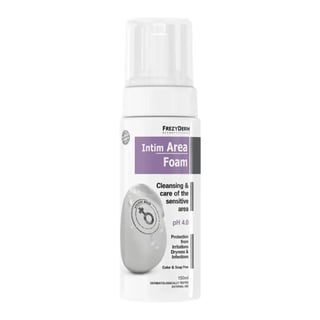 #1FrezydermIntim Area Foam pH 4.0
 -
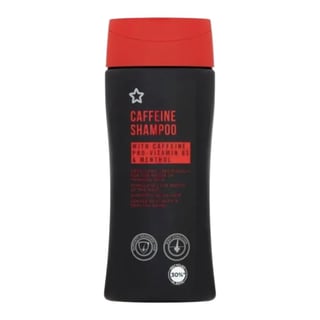 #2SuperdrugCaffeine Shampoo
 -
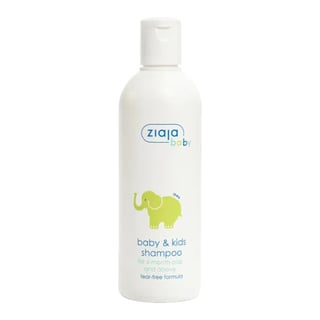 #3ZiajaBaby & Kids Shampoo
 -
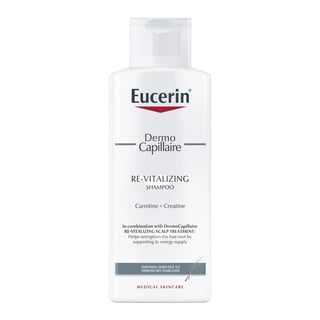 #4EucerinDermo Capillaire Re-Vitalizing Shampoo
 -
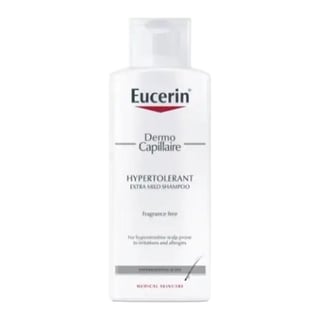 #5EucerinDermo Capillaire Hypertolerant Extra Mild Shampoo
 -
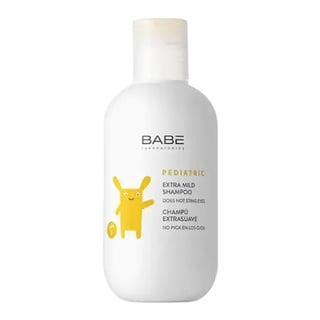 #6BABE LaboratoriosPediatric Extra Mild Shampoo
 -
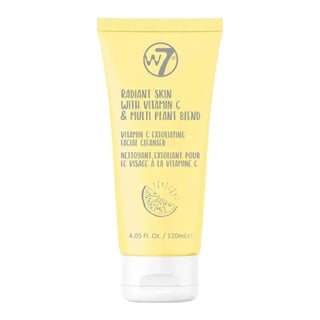 #7W7Radiant Skin Vitamin C Exfoliating Facial Cleanser
 -
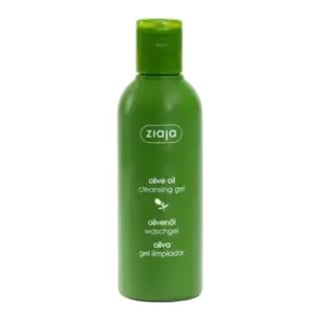 #8ZiajaOlive Oil Cleansing Gel
 -
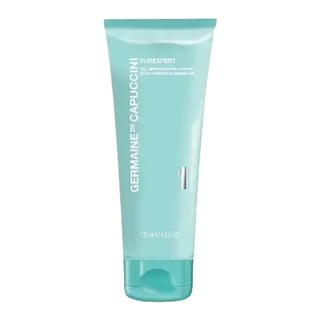 #9Germaine de CapucciniPurexpert Extra-Comfort Cleansing Gel
 -
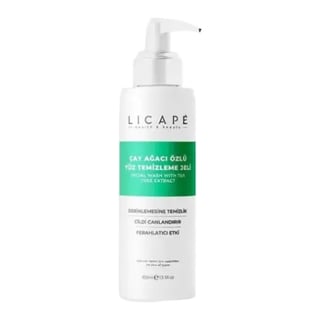 #10LicapeFacial Wash With Tea Tree Extract
About Disodium PEG-5 Laurylcitrate Sulfosuccinate
Disodium PEG-5 Laurylcitrate Sulfosuccinate is an organic compound and primarily has an average x+y+z value of 5.[1] The number 5 in the name indicates the average number of added ethylene oxide units; in the same base structure, changing this number may also change water compatibility and the formulation’s viscosity and spreadability. In cosmetics, it is used to create emulsified formulations in which water and oil are evenly mixed, help ingredients that do not dissolve well in water disperse more evenly in the water phase, and lower surface tension so raw materials wet, mix, and disperse evenly.[2]
Disodium PEG-5 Laurylcitrate Sulfosuccinate Details
- Ingredient function
- Emulsifying, Hydrotrope, Surfactant
- Main product categories
- Cleansing Foam, Moisturizing/Nourishing Shampoo, Baby Body & Hair Cleanser
- INCI name
- DISODIUM PEG-5 LAURYLCITRATE SULFOSUCCINATE
- CosIng ID
- 55894
Disodium PEG-5 Laurylcitrate Sulfosuccinate References
Last updated
This ingredient information is based on publicly available scientific literature, cosmetic ingredient databases, and regulatory sources from various countries. Usage restrictions, permitted concentrations, and labeling requirements may vary by country, region, and product type.
Ingredient preference is a reference metric based on user review data. It does not indicate the efficacy or safety of the ingredient itself.