Disodium Lauriminodipropionate Tocopheryl Phosphates
- Vitamin E
- Hair Conditioning
- Surfactant
- Antistatic
Low data There is not yet enough product and review data to determine preference.
TOP 10 Disodium Lauriminodipropionate Tocopheryl Phosphates Products
-
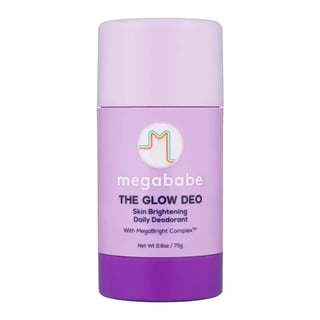 #1megababeThe Glow Deo Daily Deodorant
 -
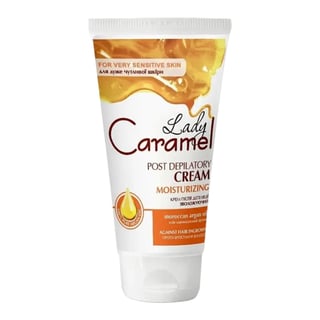 #2Lady CaramelMoisturizing Post Depilatory Cream
 -
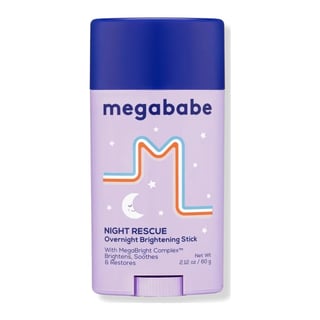 #3megababeNight Rescue Overnight Brightening Stick
 -
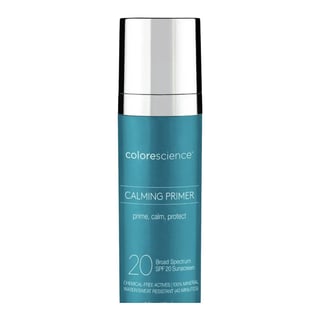 #4ColorescienceCalming Primer SPF 20
 -
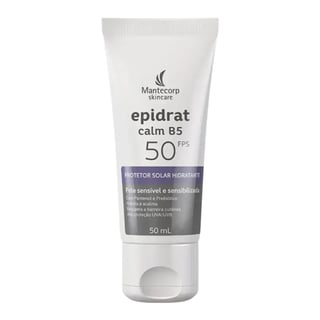 #5MantecorpProtetor Solar Facial Epidrat Calm B5 FPS 50
 -
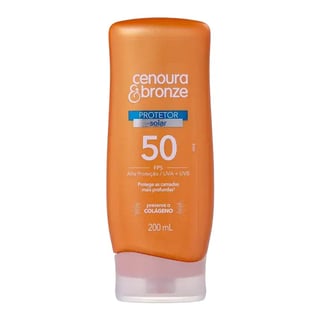 #6Cenoura And BronzeProtetor Solar Corporal SPF 50
 -
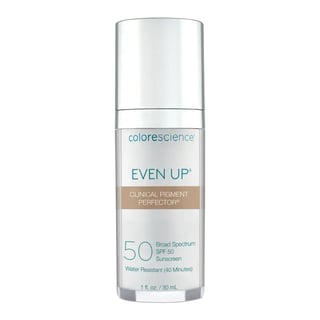 #7ColorescienceEven Up Clinical Pigment Perfector SPF 50
 -
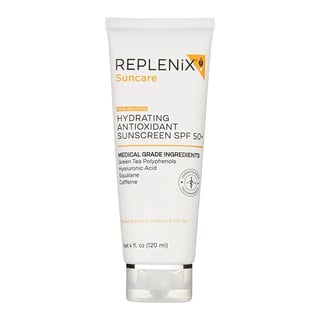 #8ReplenixHydrating Antioxidant Sunscreen SPF 50+
 -
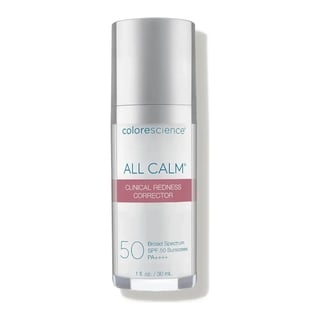 #9ColorescienceAll Calm Clinical Redness Corrector SPF 50 PA++++
 -
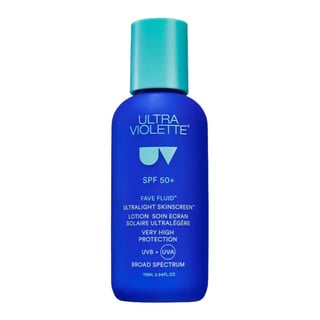 #10Ultra VioletteFave Fluid SPF 50+ Ultralight Skinscreen
About Disodium Lauriminodipropionate Tocopheryl Phosphates
Disodium Lauriminodipropionate Tocopheryl Phosphates is the disodium salt of a complex mixture of esters obtained by reacting Tocopheryl Phosphate with Lauriminodipropionic Acid.[1] In cosmetics, it is used to reduce static electricity that causes hair strands to lift or stick together, help sebum and impurities wash away with water, and enable foam to form during use.[2] It is also used to smooth hair by reducing tangling and a rough feel, hold the desired hairstyle in place, and condition the skin's surface, leaving it soft and smooth.[2] It is used to lower surface tension so ingredients can wet, mix, and spread evenly.[2]
Disodium Lauriminodipropionate Tocopheryl Phosphates Details
- Ingredient function
- Antistatic, Cleansing, Foaming, Hair Conditioning, Hair Fixing, Skin Conditioning, Surfactant
- Main product categories
- Moisturizing Cream, Anti-Aging Essence, Sunscreen
- INCI name
- DISODIUM LAURIMINODIPROPIONATE TOCOPHERYL PHOSPHATES
- CosIng ID
- 55888
Disodium Lauriminodipropionate Tocopheryl Phosphates References
Last updated
This ingredient information is based on publicly available scientific literature, cosmetic ingredient databases, and regulatory sources from various countries. Usage restrictions, permitted concentrations, and labeling requirements may vary by country, region, and product type.
Ingredient preference is a reference metric based on user review data. It does not indicate the efficacy or safety of the ingredient itself.