Cocos Nucifera Oil
- Hydration
- May Cause Irritation
- May Worsen Redness
- May Cause Acne
- May Worsen Oily Skin
- Hair Conditioning
- Coconut Derived
- Oil
- Essential Oil
Not rated A basic ingredient widely used in most products, such as purified water, or one that is not suitable for star-rating-based preference analysis.
TOP 10 Cocos Nucifera Oil Products
-
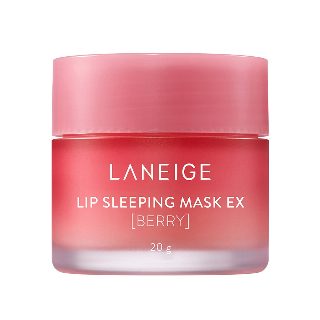 #1LaneigeLip Sleeping Mask
-
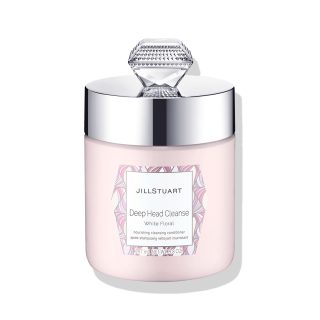 #2Jill StuartDeep Head Cleanse White Floral
-
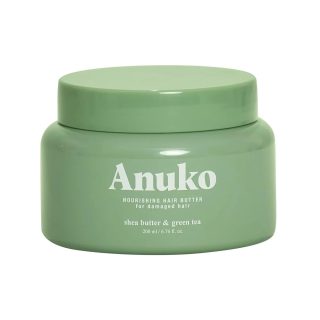 #3ANUKONourishing Hair Butter
-
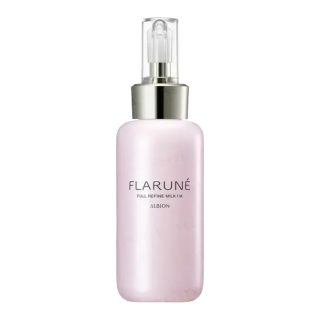 #4AlbionFlarune Full Refine Milk F M
-
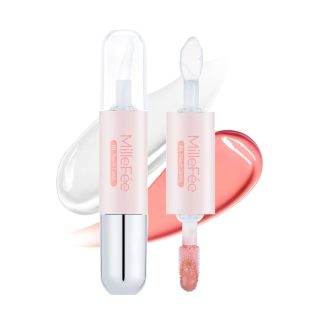 #5MillefeeIdol 2-in-1 Lip Tint
-
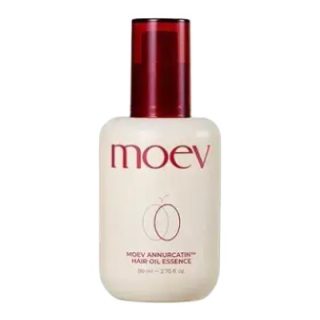 #6MoevAnnurcartin Hair Oil Essence
-
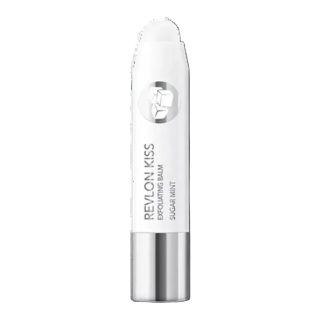 #7RevlonKiss Exfoliating Lip Balm - Sugar Mint
-
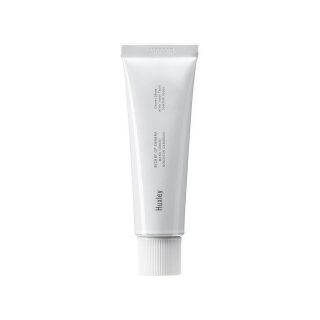 #8HuxleyMoroccan Gardener Hand Cream
-
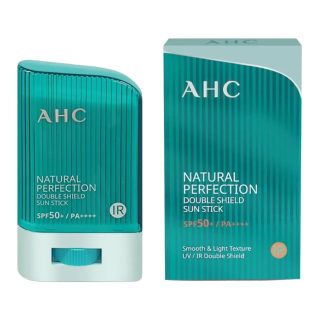 #9AHC BeautyNatural Perfection Double Shield Sun Stick SPF50+ PA++++
-
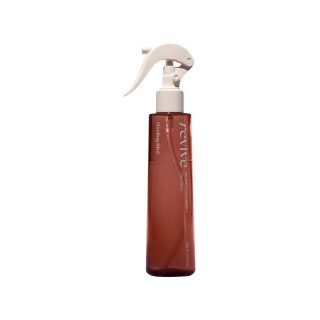 #10Healing BirdRevive No-Wash Treatment Ultra Shine
About Cocos Nucifera Oil
Cocos Nucifera Oil is a fixed (nonvolatile) oil obtained by pressing coconut seeds.[1] Because it is primarily composed of fatty components obtained from coconut seeds, it mixes more readily with oils than with water and is suitable for adding slip and a supple feel to the skin or hair while reducing the feeling of moisture evaporating quickly. In cosmetics, it is used to reduce hair tangling and roughness and leave it feeling smooth, prevent the characteristic odor or taste of raw materials from becoming too noticeable, and add fragrance to products or adjust the characteristic odor of raw materials.[2] It is also used to leave the skin’s surface feeling soft and smooth.[2]
Cocos Nucifera Oil Details
- Ingredient function
- Hair Conditioning, Masking, Perfuming, Skin Conditioning
- Main product categories
- Moisturizing/Nourishing Conditioner, Moisturizing Cream, Lip Balm
- INCI name
- COCOS NUCIFERA OIL
- CosIng ID
- 75444
Cocos Nucifera Oil References
Last updated
This ingredient information is based on publicly available scientific literature, cosmetic ingredient databases, and regulatory sources from various countries. Usage restrictions, permitted concentrations, and labeling requirements may vary by country, region, and product type.
Ingredient preference is a reference metric based on user review data. It does not indicate the efficacy or safety of the ingredient itself.