Citrus Aurantifolia Oil
- May Cause Irritation
- May Worsen Redness
- May Cause Photosensitivity
- Hair Conditioning
- Fragrance
- Oil
- Essential Oil
Not rated A basic ingredient widely used in most products, such as purified water, or one that is not suitable for star-rating-based preference analysis.
TOP 10 Citrus Aurantifolia Oil Products
-
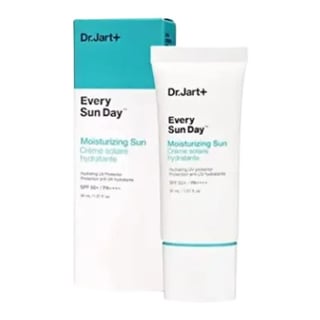 #1Dr. Jart+Every Sun Day Moisturizing Sun SPF 50+ PA++++
 -
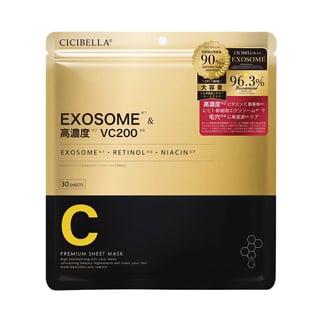 #2CICIBELLAExosome & High-Concentration VC200 Sheet Mask
 -
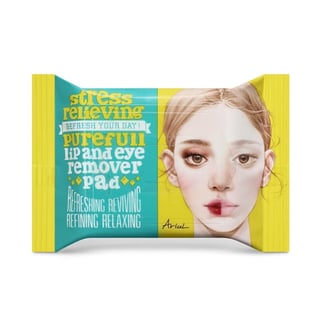 #3AriulStress Relieving Purefull Lip And Eye Remover Pad
 -
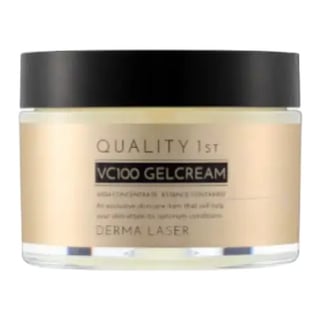 #4Quality FirstDerma Laser VC100 Gel Cream
 -
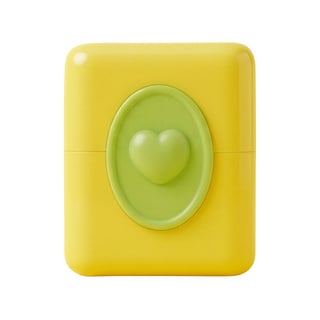 #5Mommy CareLemon No Sebum Sun Stick [SPF50+/PA++++]
 -
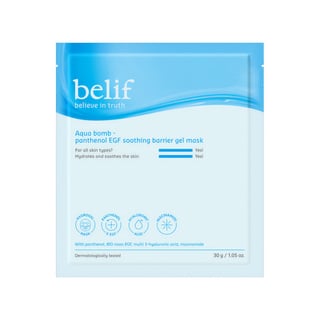 #6BelifAqua Bomb Panthenol EGF Soothing Barrier Gel Mask
 -
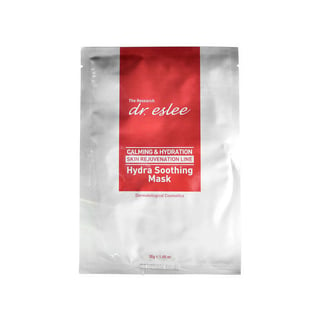 #7Dr.EsleeHydra Soothing Mask
 -
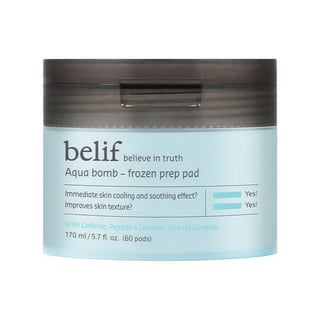 #8BelifAqua Bomb Frozen Prep Pads
 -
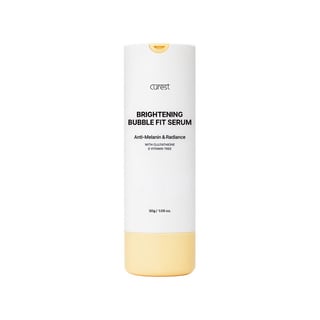 #9KyueoreseuteuBrightening Bubble Fit Serum
 -
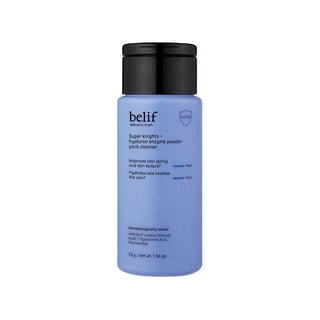 #10BelifSuper Knights Hyaluron Enzyme Powder Pack Cleanser
About Citrus Aurantifolia Oil
Citrus Aurantifolia Oil is a volatile oil obtained from the whole lime plant.[1] Volatile compounds obtained from the entire lime plant contribute to the initial impression of the scent and the lingering fragrance after application, and tend to evaporate more readily than typical vegetable oils. In cosmetics, it is used to help sebum and impurities wash away with water, reduce hair tangling and rough feel for smoother conditioning, and keep the ingredient’s characteristic odor or taste from being overly prominent. It is also used to add fragrance to a product or adjust the characteristic odor of raw materials, leave the skin feeling soft and smooth, and leave the skin or hair feeling fresh.[2] [2]
Citrus Aurantifolia Oil Details
- Ingredient function
- Cleansing, Hair Conditioning, Masking, Perfuming, Skin Conditioning, Tonic
- Main product categories
- Cleansing Foam, Moisturizing Cream, Toner
- INCI name
- CITRUS AURANTIFOLIA OIL
- CosIng ID
- 75385
Citrus Aurantifolia Oil References
Last updated
This ingredient information is based on publicly available scientific literature, cosmetic ingredient databases, and regulatory sources from various countries. Usage restrictions, permitted concentrations, and labeling requirements may vary by country, region, and product type.
Ingredient preference is a reference metric based on user review data. It does not indicate the efficacy or safety of the ingredient itself.