Boswellia Sacra Resin Oil
- May Cause Irritation
- May Worsen Redness
- Fragrance
- Oil
- Essential Oil
Low data There is not yet enough product and review data to determine preference.
TOP 10 Boswellia Sacra Resin Oil Products
-
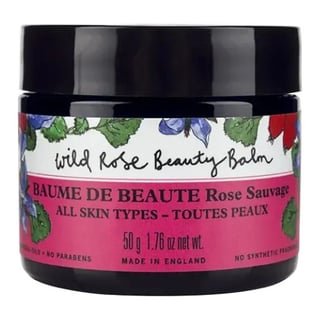 #1Neal's Yard RemediesWild Rose Beauty Balm
 -
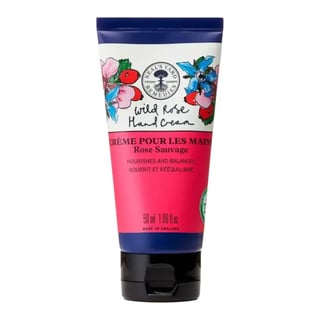 #2Neal's Yard RemediesWild Rose Hand Cream
 -
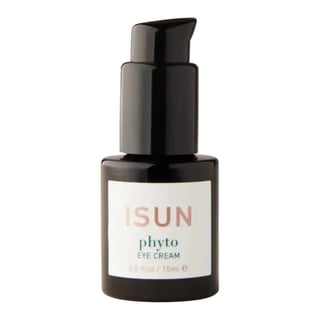 #3Isun SkincarePhyto Eye Cream
 -
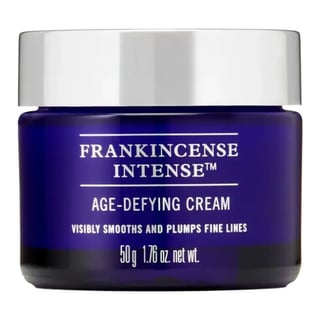 #4Neal's Yard RemediesFrankincense Intense Age-Defying Cream
 -
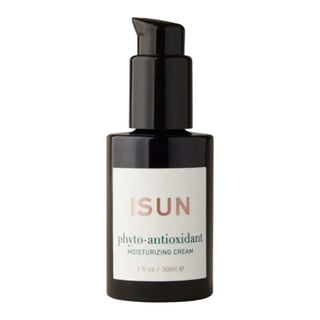 #5Isun SkincarePhyto-Antioxidant Moisturizing Cream
 -
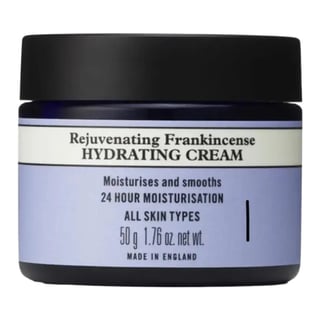 #6Neal's Yard RemediesRejuvenating Frankincense Hydrating Cream
 -
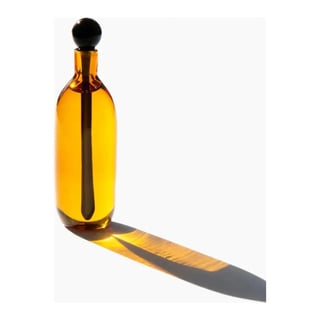 #7Kindred BlackFranc Encens Omani Oil
 -
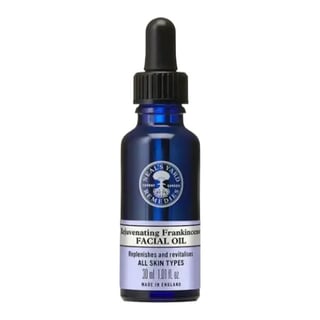 #8Neal's Yard RemediesRejuvenating Frankincense Facial Oil
 -
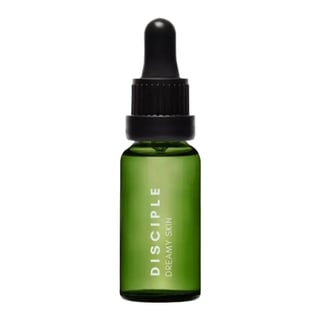 #9DiscipleDreamy Skin 0.5% Retinoid Night Oil
 -
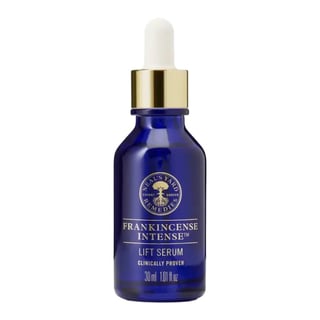 #10Neal's Yard RemediesFrankincense Intense Lift Serum
About Boswellia Sacra Resin Oil
Boswellia Sacra Resin Oil is a volatile oil obtained from resin.[1] Volatile components obtained from Boswellia Sacra resin contribute to the initial impression of the fragrance and the lingering scent after application, and tend to evaporate more readily than ordinary vegetable oils. The more evenly they mix into the oil phase, the more easily they spread without dragging during application and tend to leave a supple feel after drying. In cosmetics, they are used to reduce friction on the skin or hair and add a smooth feel, to keep the characteristic odor or taste of raw materials from becoming too prominent, and to add fragrance to products or adjust the characteristic odor of raw materials.[2] They are also used to leave the skin surface feeling soft and smooth.[2]
Boswellia Sacra Resin Oil Details
- Ingredient function
- Emollient, Masking, Perfuming, Skin Conditioning
- Main product categories
- Anti-Aging Cream, Face Oil, Anti-Aging Essence
- INCI name
- BOSWELLIA SACRA RESIN OIL
- CosIng ID
- 94899
Boswellia Sacra Resin Oil References
Last updated
This ingredient information is based on publicly available scientific literature, cosmetic ingredient databases, and regulatory sources from various countries. Usage restrictions, permitted concentrations, and labeling requirements may vary by country, region, and product type.
Ingredient preference is a reference metric based on user review data. It does not indicate the efficacy or safety of the ingredient itself.