Bis-Isobutyl PEG/PPG-10/7/Dimethicone Copolymer
- Silicone
- Surfactant
Not rated A basic ingredient widely used in most products, such as purified water, or one that is not suitable for star-rating-based preference analysis.
TOP 10 Bis-Isobutyl PEG/PPG-10/7/Dimethicone Copolymer Products
-
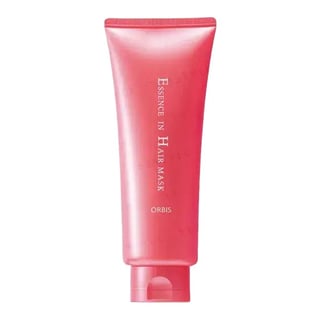 #1OrbisEssence In Hair Mask
 -
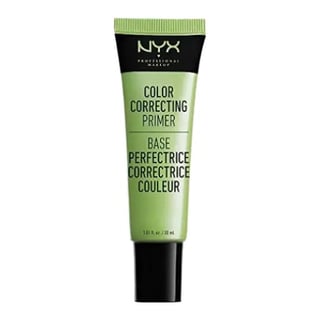 #2NYX CosmeticsColor Correcting Primer
 -
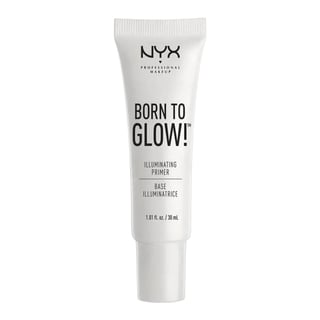 #3NYX CosmeticsBorn To Glow! Illuminating Primer
 -
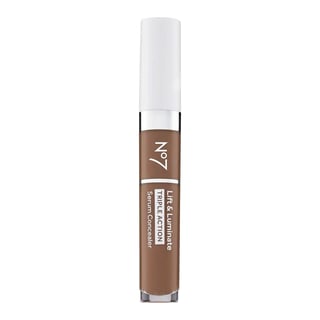 #4No7Lift & Luminate Triple Action Serum Concealer
 -
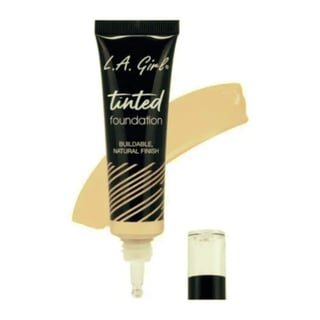 #5L.A. GirlTinted Foundation Natural Finish
 -
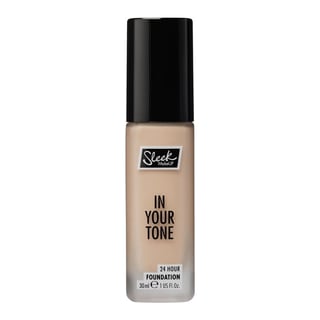 #6Sleek MakeupIn Your Tone 24 Hour Foundation
 -
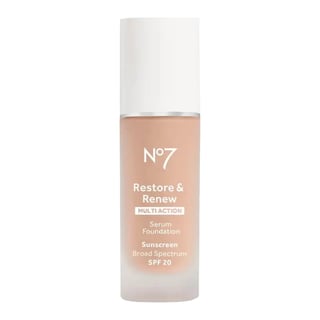 #7No7Restore & Renew Multi Action Serum Foundation
 -
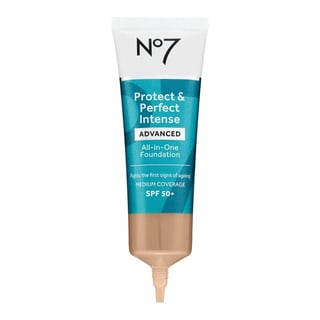 #8No7Protect & Perfect Intense Advanced All-In-One Foundation SPF 50+
 -
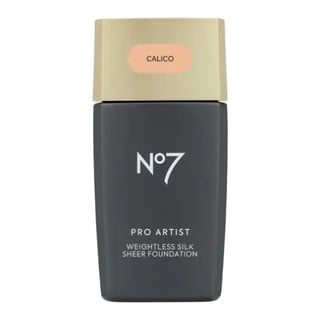 #9No7Pro Artist Weightless Silk Sheer Foundation
 -
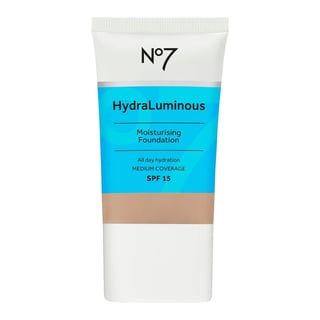 #10No7HydraLuminous Moisturising Foundation
About Bis-Isobutyl PEG/PPG-10/7/Dimethicone Copolymer
Bis-Isobutyl PEG/PPG-10/7/Dimethicone Copolymer is a random copolymer of dimethicone, polyethylene glycol, and polypropylene glycol containing an average of 10 moles of ethylene oxide and 7 moles of propylene oxide.[1] The number 10 after PPG indicates the average number of linked propylene oxide units; depending on this number and the type of fatty component attached to it, its oil compatibility and application feel vary. In cosmetics, it is used to create emulsified formulas in which water and oil are evenly mixed, and to lower surface tension so ingredients wet, blend, and spread evenly.[3] In Europe, diethylene glycol remaining as an impurity in the raw material must be controlled at 0.1% or less.[2]
Bis-Isobutyl PEG/PPG-10/7/Dimethicone Copolymer Details
- Ingredient function
- Emulsifying, Surfactant
- Main product categories
- Liquid Foundation, Sunscreen, Baby Sunscreen
- INCI name
- BIS-ISOBUTYL PEG/PPG-10/7/DIMETHICONE COPOLYMER
- CosIng ID
- 83232
Bis-Isobutyl PEG/PPG-10/7/Dimethicone Copolymer References
- 대한화장품협회 화장품성분사전 · 성분코드 6733
- European Union · Annex III entry 186
- European Commission — CosIng · substanceId 83232
Last updated
This ingredient information is based on publicly available scientific literature, cosmetic ingredient databases, and regulatory sources from various countries. Usage restrictions, permitted concentrations, and labeling requirements may vary by country, region, and product type.
Ingredient preference is a reference metric based on user review data. It does not indicate the efficacy or safety of the ingredient itself.