Ammonium Acryloyldimethyltaurate/Steareth-25 Methacrylate Crosspolymer
Not rated A basic ingredient widely used in most products, such as purified water, or one that is not suitable for star-rating-based preference analysis.
TOP 10 Ammonium Acryloyldimethyltaurate/Steareth-25 Methacrylate Crosspolymer Products
-
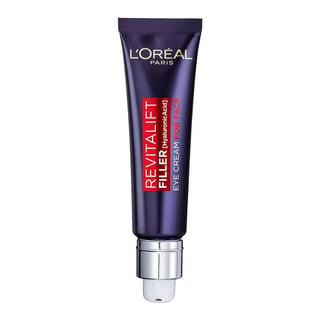 #1L'OrealRevitalift Filler Hyaluronic Acid Eye Cream For Face
 -
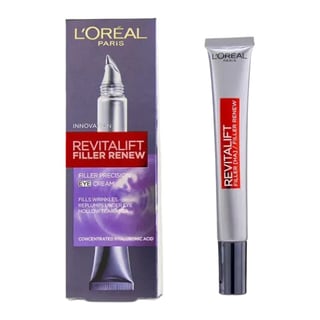 #2L'OrealRevitalift Filler Precision Eye Cream
 -
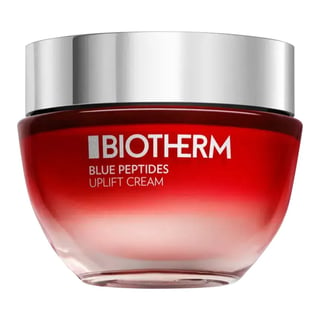 #3BIOTHERMBlue Peptides Uplift Cream
 -
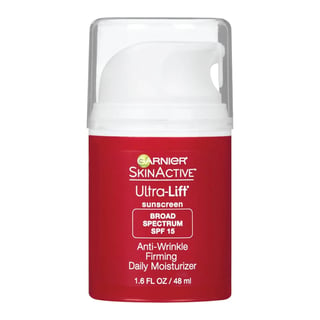 #4GarnierUltra Lift Anti Wrinkle Firming Day Cream SPF 15
 -
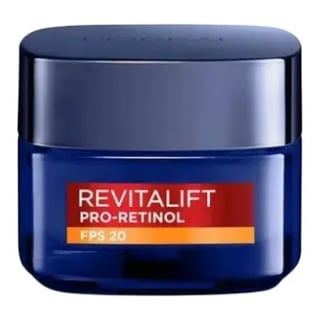 #5L'OrealRevitalift Pro-Retinol SPF 20
 -
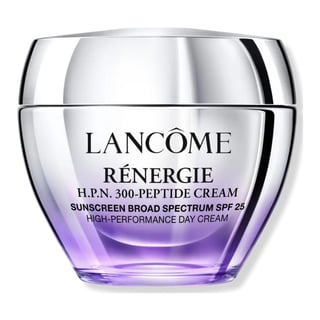 #6LancômeRénergie H.P.N. 300-Peptide Cream SPF 25
 -
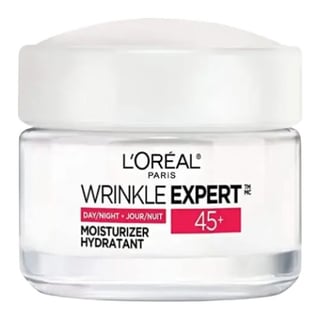 #7L'OrealParis Wrinkle Expert 45+ Firming Day Cream
 -
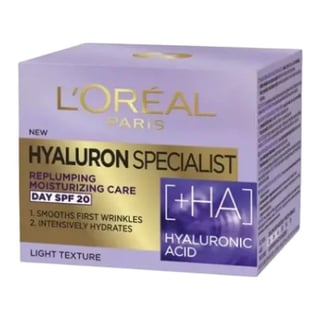 #8L'OrealHyaluron Specialist Day Cream + HA SPF 20
 -
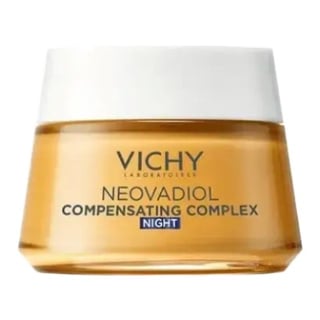 #9VichyNeovadiol Night Compensating Complex
 -
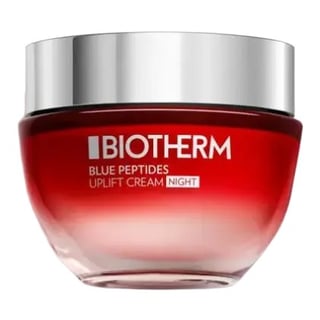 #10BIOTHERMBlue Therapy Red Algae Uplift Night Cream
About Ammonium Acryloyldimethyltaurate/Steareth-25 Methacrylate Crosspolymer
Ammonium Acryloyldimethyltaurate/Steareth-25 Methacrylate Crosspolymer is a polymer composed of ammonium acryloyldimethyltaurate and Steareth-25 methacrylate monomers.[1] The number 25 at the end of the name indicates the average number of added ethylene oxide units; it changes the balance between water-attracting and oil-attracting parts, resulting in differences in cleansing power, emulsifying ability, and sensory feel. In cosmetics, it is used to help keep emulsions of water and oil from separating easily.[2]
Ammonium Acryloyldimethyltaurate/Steareth-25 Methacrylate Crosspolymer Details
- Ingredient function
- Emulsion Stabilising
- Main product categories
- Anti-Aging Cream, Eye Cream, Night Cream
- INCI name
- AMMONIUM ACRYLOYLDIMETHYLTAURATE/STEARETH-25 METHACRYLATE CROSSPOLYMER
- CosIng ID
- 54591
Ammonium Acryloyldimethyltaurate/Steareth-25 Methacrylate Crosspolymer References
Last updated
This ingredient information is based on publicly available scientific literature, cosmetic ingredient databases, and regulatory sources from various countries. Usage restrictions, permitted concentrations, and labeling requirements may vary by country, region, and product type.
Ingredient preference is a reference metric based on user review data. It does not indicate the efficacy or safety of the ingredient itself.